
Cirsium lineare
Cirsium lineare
Description
Growing requirements
Cirsium lineare, commonly known as the linear-leaved thistle, is a perennial herbaceous plant belonging to the Asteraceae family. It is native to East Asia, where it thrives in varied habitats ranging from mountainous meadows to open forest edges.
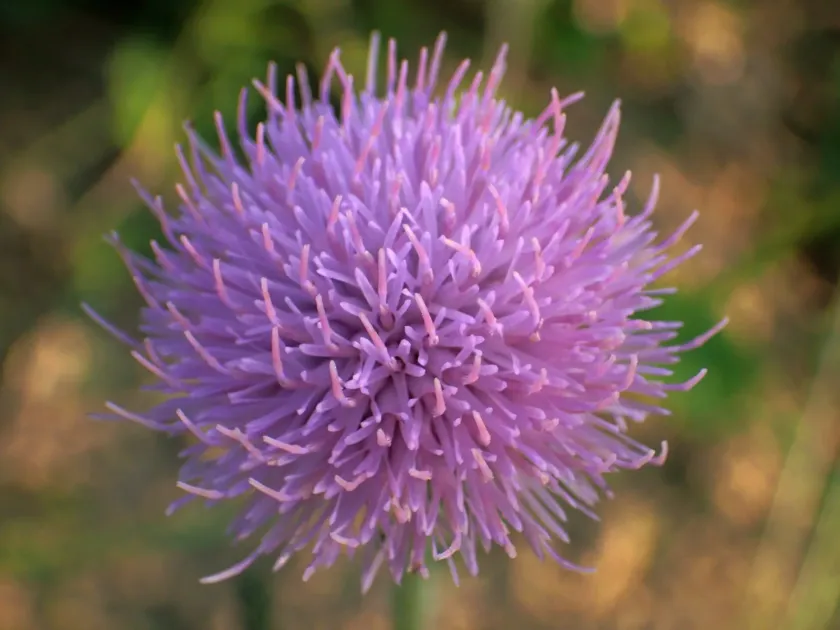
The plant is distinguished by its distinctively narrow, linear leaves that provide a graceful appearance. Its stems are upright and often branched, supporting flower heads that are typical for the genus, ranging in color from soft pink to vibrant purple shades.
In terms of cultivation, this species prefers well-drained, fertile soil with moderate moisture retention. It is highly intolerant of waterlogged conditions, which can lead to root degradation, therefore good drainage is an essential requirement for success.
Climatic adaptability is a strong trait of Cirsium lineare, allowing it to flourish in temperate zones. It requires full sunlight to achieve optimal growth, although it can tolerate light partial shade during the hottest parts of the day in warmer regions.
Beyond its aesthetic appeal in botanical gardens, the plant serves as a vital resource for various pollinating insects. Its management often focuses on maintaining soil structure and ensuring appropriate spacing to promote air movement.
Main diseases and pests
The primary threats to Cirsium lineare involve fungal pathogens, particularly those triggered by high humidity and poor circulation. Powdery mildew can affect the foliage, resulting in reduced vitality and loss of ornamental quality.
Insects such as aphids and specialized weevils frequently target the developing buds and succulent tissues of the plant. Regular scouting is necessary to identify these infestations before they result in significant physiological stress.
Preventative cultural practices remain the best defense against pests and diseases. Ensuring that the foliage remains dry and that weeds are removed from the immediate vicinity helps maintain a healthy growing environment.
If chemical intervention becomes necessary, it should be done with care to ensure the safety of visiting pollinators. Selecting narrow-spectrum products is recommended to preserve the local ecological balance.
Root health is equally critical; therefore, avoiding mechanical damage to the root system during cultivation is vital, as any wounds serve as entry points for soil-borne pathogens that can cause systemic failure.