
Cirsium ligulare
Cirsium ligulare
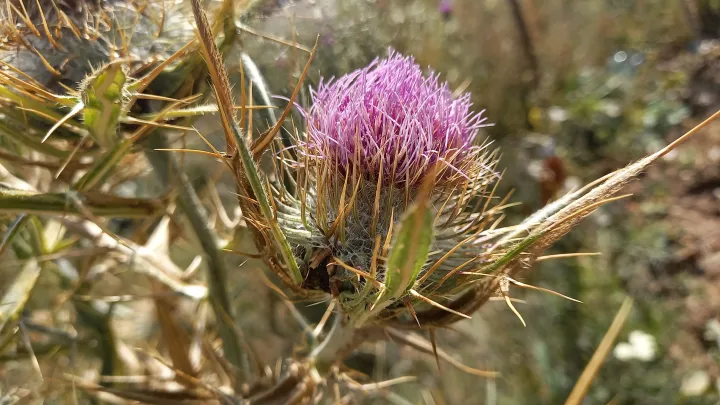
Description
Sowing dates
Cirsium ligulare belongs to the Asteraceae family and is known for its ecological resilience. While primarily found in wild habitats, understanding its biological cycle is key to its management.
Seed sowing is most effective in late autumn. The seeds require a period of stratification to break dormancy, ensuring a high rate of germination when temperatures rise in the spring.
The sowing depth should be maintained at 1–2 cm. Covering seeds with a thin layer of fine soil prevents them from drying out while ensuring they are not buried too deeply to emerge.
If sowing is conducted in the spring, seeds must undergo artificial stratification. This process mimics the natural winter conditions and is essential for achieving a uniform stand of plants.
Proper spacing is required to ensure that each plant has enough room to develop its basal leaf rosette, which is characteristic of this species during the initial growth stages.
Growing requirements
This species thrives in open, sunny locations. Sunlight is a critical factor for the development of both the biomass and the floral structures that follow the rosette stage.
The soil should be well-drained but capable of holding moisture. Cirsium ligulare is quite adaptable, but it performs best in soils with a neutral pH, ranging between 6.5 and 7.5.
Temperature tolerance is a hallmark of this plant. It is capable of enduring significant temperature fluctuations, including light frosts during the early spring growth phase.
In terms of moisture, the plant requires consistent water availability during its vegetative phase. Prolonged drought can stunt growth and trigger early flowering, reducing overall biomass.
Fertilization should be managed carefully. Excessive nitrogen can lead to overly rapid vegetative growth at the expense of root strength, making the plants more susceptible to lodging.
Main diseases and pests
Fungal pathogens such as rust and powdery mildew are the most common threats to plant health. These conditions usually appear during periods of high humidity and stagnant air.
Insects like aphids and various weevils can cause significant damage to the leaves and developing buds. Regular field scouting is necessary to catch infestations before they cause damage.
Root rot is a risk factor, especially in soils that are prone to waterlogging. Improving soil structure and aeration is the best preventive measure against these soil-borne diseases.
Weed competition can be severe during the seedling stage. Mechanical cultivation between rows is recommended until the plants establish a canopy that can shade out competing weeds.
Integrated pest management, focusing on biological controls, is preferred over chemical interventions, especially if the site is used to promote biodiversity or honey production.