
Cirsium japonicum
Cirsium japonicum
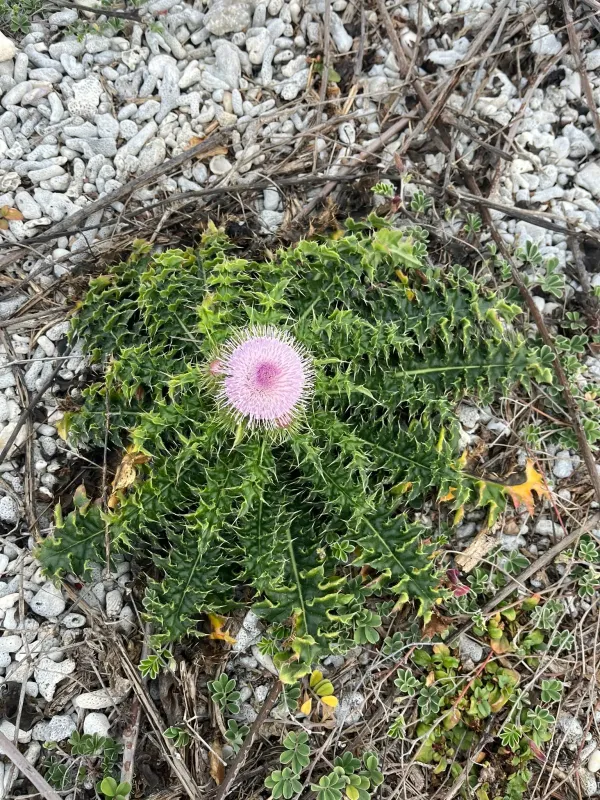
Description
Sowing dates
Cirsium japonicum is a perennial herbaceous plant belonging to the Asteraceae family, widely recognized for its medicinal value. Sowing is typically performed in early spring once soil temperatures reach 10 degrees Celsius, which ensures optimal germination rates.
Seeds should be sown at a depth of 1.5–2 cm to ensure sufficient moisture contact while allowing the emerging seedlings to reach the surface quickly.
For commercial cultivation, row spacing of 50–60 cm is recommended, which allows for mechanical weed control and provides adequate space for plant development.
Alternatively, vegetative propagation through root division can be employed, which often results in more vigorous plants during the first year of establishment compared to seed sowing.
Seedlings should be thinned to achieve an optimal density of approximately 8–10 plants per linear meter to prevent competition for light and nutrients.
Growing requirements
This crop thrives in open, sunny locations. Excessive shading leads to elongated, weak stems and reduces the concentration of bioactive secondary metabolites in the plant tissues.
The ideal soil is fertile, well-draining, and slightly acidic to neutral. Heavy or waterlogged clay soils should be avoided as they pose a high risk of root rot during the dormant season.
Cirsium japonicum is highly winter-hardy and can withstand late spring frosts, making it suitable for cultivation in diverse temperate climates.
Water management is critical during the initial growth stages; however, established plants exhibit moderate drought tolerance due to their deep taproot systems.
Balanced fertilization, particularly phosphorus and potassium, applied in early spring helps promote root health and enhances the overall quality of the harvestable biomass.
Yield
Productivity in Cirsium japonicum is highly dependent on planting density and the age of the crop. Yields of 1.5 to 2.5 tons of dried raw material per hectare can be expected from a mature plantation.
The highest yields are typically observed in the second and third years of production, after the root system has fully matured and established itself in the field.
The timing of harvest is crucial; collecting the biomass during the full bloom phase ensures the highest levels of flavonoids and other therapeutic compounds.
Regular soil maintenance and organic fertilization after the harvest cycle help sustain plantation health for up to five years before a rotation is required.
Careful management of plant density and field health allows growers to maintain consistent production levels throughout the crop's lifecycle.
Main diseases and pests
The main threats to this crop include powdery mildew and rust fungi, which are particularly prevalent during periods of high humidity and poor air circulation.
Insects such as aphids and various weevils can cause significant damage by feeding on young leaves and developing flower buds, reducing the marketability of the crop.
- Implement spatial isolation from wild relatives to reduce pathogen pressure.
- Apply targeted pest control only during non-flowering stages to protect pollinators.
- Maintain clean inter-row spaces to promote rapid leaf drying after rain.
Root rot caused by stagnant water is a serious concern; monitoring soil drainage and preventing soil compaction are essential preventive measures.
Weed management is vital during the first two months after sowing, as the crop is initially slow to establish and sensitive to competition from invasive weeds.
Harvesting
Harvesting is performed either manually or with specialized machinery designed to handle delicate medicinal plant material without damaging the stems and flowers.
The harvested biomass must be transported to the drying facility immediately to prevent fermentation and the degradation of active chemical components.
Drying should take place in a shaded, well-ventilated environment at temperatures not exceeding 45 degrees Celsius to preserve the plant's essential qualities.
Once dried, the raw material is sorted to remove impurities, woody parts, and debris, leaving only the high-quality floral and leafy parts.
Final storage requires cool, dry, and dark conditions to prevent oxidation and ensure a shelf life that meets industry quality standards.