
Cirsium hypopsilum
Cirsium hypopsilum
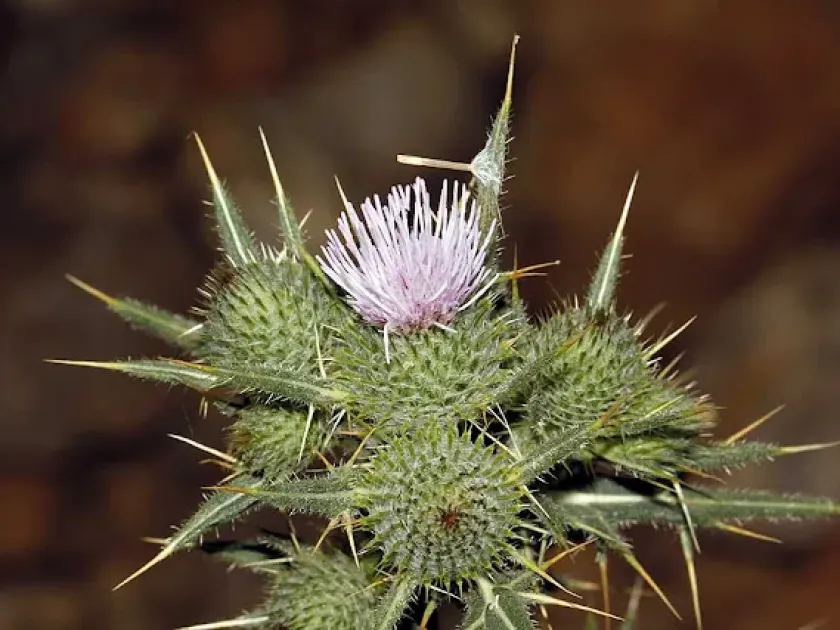
Description
Growing requirements
Cirsium hypopsilum is a member of the Asteraceae family. While it is not a cultivated crop, it acts as a persistent perennial weed that poses significant challenges for modern agricultural management due to its aggressive growth patterns.
The plant thrives in diverse soil conditions but shows a strong preference for fertile loamy soils with moderate moisture levels. Its survival strategy involves a deep, branching root system that allows it to withstand significant environmental stress, including drought.
This species is native to temperate zones and steppe regions. It is highly competitive in fields where it can intercept significant sunlight, often outcompeting lower-growing crops in the early stages of development.
Botanically, Cirsium hypopsilum is distinguished by its white, tomentose underside of the leaves. The stem is rigid and upright, and the inflorescences are characterized by spiny bracts that deter most large herbivores, ensuring the plant's successful propagation.
Management requires an integrated approach. Standard agricultural practices include regular mechanical cultivation to exhaust root energy reserves, supplemented by targeted herbicide applications to prevent the spread of the weed in critical crop growth stages.
Main diseases and pests
Cirsium hypopsilum acts as a vector for various plant pathogens. It provides a sanctuary for fungi such as rusts and mildews, which can easily spread to primary cash crops, potentially leading to widespread field infections.
The weed serves as a host for several agricultural pests. Insects that colonize the plant can multiply quickly and subsequently move to neighboring fields of oilseeds or cereals, significantly reducing the marketable yield.
Allelopathic interference is another major threat associated with this species. Research indicates that the plant may release chemical compounds into the soil that inhibit the germination and development of neighboring seedlings.
The presence of dense patches of the plant increases harvest costs. The spiny nature of the stems can contaminate harvested grain, requiring extra post-harvest cleaning processes to meet quality standards.
To minimize damage, farmers should prioritize early identification and patch-spraying programs. Clearing field margins and ditch banks where this plant often starts its infestation is essential for long-term farm sanitation.