
Melancholy thistle
Cirsium heterophyllum
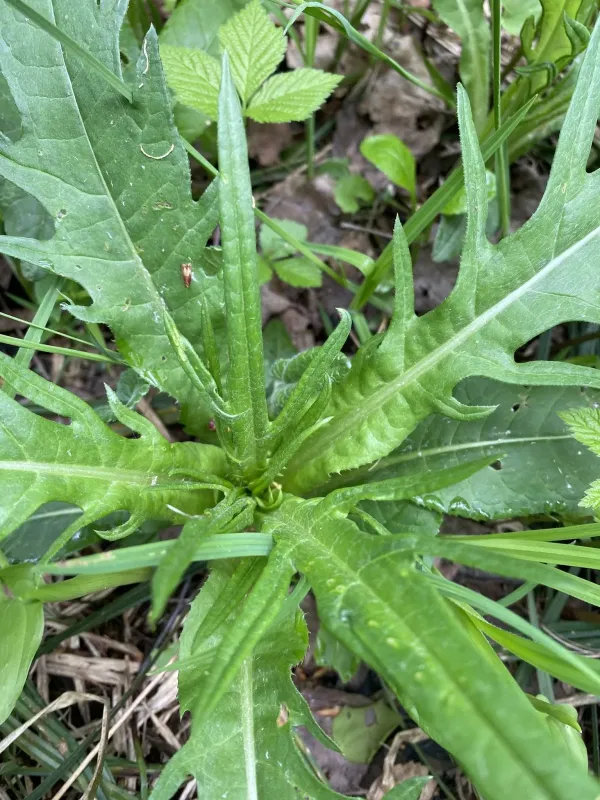
Description
Growing requirements
Melancholy thistle (Cirsium heterophyllum) is a perennial herbaceous plant belonging to the Asteraceae family. Unlike other members of the genus, this species is noted for its lack of prickly leaves, making it more manageable for agricultural purposes and livestock consumption.
The plant typically thrives in moist meadow habitats, forest edges, and upland grasslands. It is highly resistant to cold and frost, making it suitable for cultivation in northern temperate regions where other crops might struggle with low temperatures.
Regarding soil requirements, this species prefers deep, nutrient-rich, and slightly acidic to neutral soils. It exhibits a strong affinity for moist conditions but requires good drainage to prevent root rot during periods of excessive rainfall or early spring thaw.
Effective agronomic management includes selecting sites with consistent moisture levels and providing sufficient phosphorus and potassium fertilization. Once established, the root system is robust enough to allow the plant to withstand moderate mechanical stress and competitive pressure.
In terms of agricultural utility, the melancholy thistle is valued for its biomass production in perennial meadow systems. When harvested during the vegetative stage, it provides a valuable nutritional source for livestock, contributing to the diversity and structural integrity of the forage canopy.
Main diseases and pests
The plant is susceptible to various fungal pathogens, specifically rust diseases (Puccinia species), which can defoliate the crop and reduce nutritional density. Monitoring for early signs of lesions is essential for maintaining crop health in intensive meadow management.
Pest threats include stem-boring insects and specific beetles that target the capitula. In extreme cases, these pests can impact seed set, though vegetative propagation remains the primary concern for farmers focusing on continuous biomass supply.