
Leafy thistle
Cirsium foliosum
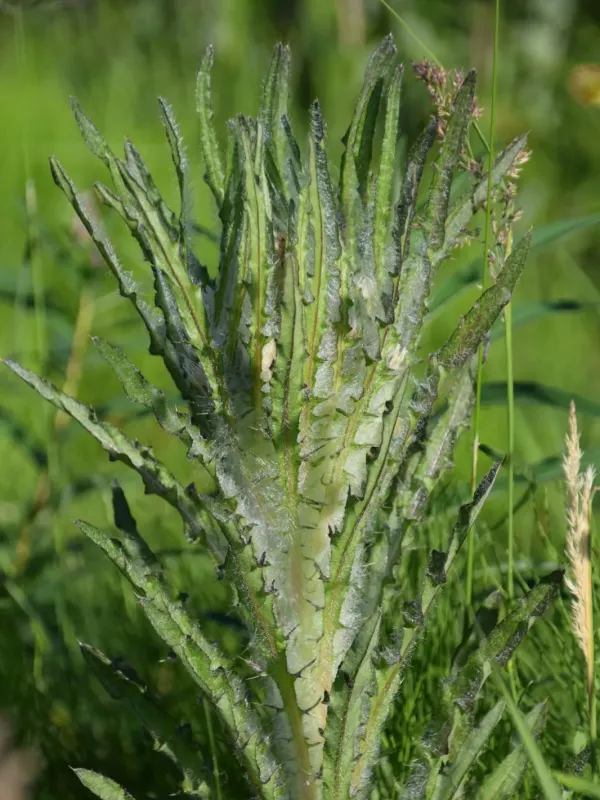
Description
Growing requirements
Leafy thistle, known scientifically as Cirsium foliosum, belongs to the Asteraceae family. It is a perennial herbaceous plant distinguished by its dense leafy stems and sharp protective spines, which serve as an effective evolutionary defense mechanism against herbivores.
The native distribution area of this species is primarily focused in the subalpine and alpine regions of Western North America. It thrives in open meadow environments where it can receive maximum sunlight exposure during the growing season.
Regarding soil requirements, this plant prefers well-drained, nutrient-rich substrates that prevent root rot. It is particularly well-adapted to the rocky or loamy soils typical of mountain slopes where water runoff is efficient.
The climate requirements for Cirsium foliosum include high adaptability to significant temperature fluctuations between day and night. It flourishes in regions with a distinct growing season characterized by sufficient moisture from snowmelt during the early stages of development.
Economically and ecologically, this plant plays a significant role in high-altitude ecosystems by supporting local pollinator populations. Its presence helps maintain soil integrity and provides nectar resources in areas where diverse plant communities are essential for biodiversity.
Main diseases and pests
The primary diseases affecting this plant include various forms of rust fungi and mildew, especially in environments with poor air circulation. Proper spacing between individual plants is necessary to minimize the risk of spreading fungal infections through the foliage.
Insect pests such as weevils and aphids can occasionally threaten the health of the plant by feeding on the buds and stems. Integrated pest management practices, including physical inspection and maintenance of optimal site conditions, are the best methods to ensure plant vigor.