
Edible thistle
Cirsium esculentum
Description
Sowing dates
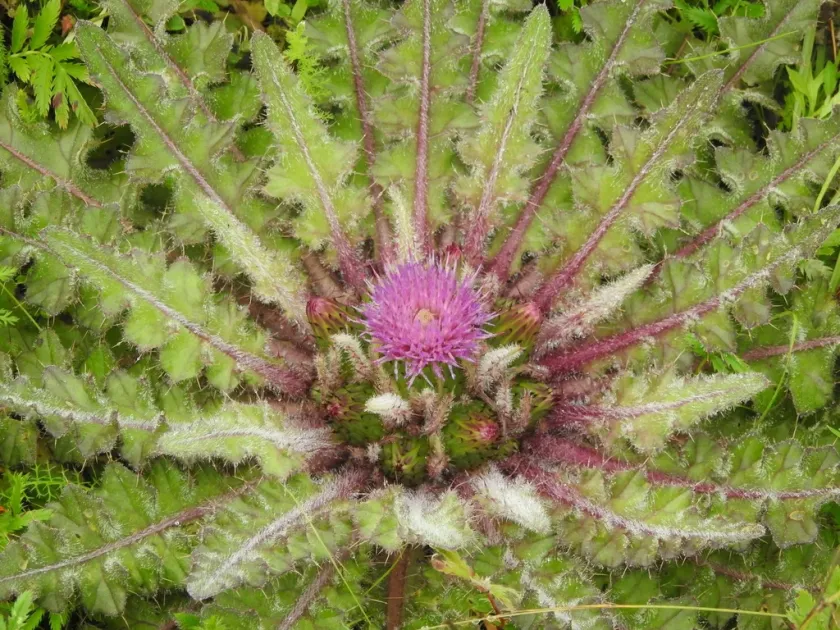
Cirsium esculentum is a perennial herbaceous plant belonging to the Asteraceae family, typically propagated through seeds or root division.
Sowing in open ground should be carried out in early spring as soon as the soil reaches a temperature of 10 to 12 degrees Celsius.
Seeds are placed at a depth of 1 to 2 centimeters in rows spaced 40 to 50 centimeters apart to ensure adequate space for plant development.
Fall sowing is also an option in regions with mild winters, allowing for early germination and more vigorous growth during the spring season.
Vegetative propagation via root cutting division is commonly used to maintain genetic uniformity and accelerate the establishment of new stands.
Growing requirements
This crop thrives in fertile, well-drained loamy or black soils that are neutral or slightly acidic in terms of pH value.
Full sun exposure is crucial for the optimal development of the plant, as partial shade can lead to reduced yield and slower maturation.
While the plant exhibits significant drought tolerance, consistent moisture during the early establishment phase is necessary for strong development.
Balanced fertilization with phosphorus and potassium is recommended to support robust root system growth and improve overall quality.
The culture is hardy, but mulching the soil around the base of the plant during winter helps protect the roots from deep frost cycles.
Yield
Yields of edible thistle vary depending on soil fertility and plant density, typically ranging between 2 to 5 kilograms per square meter.
The culinary value lies in both the succulent young stems harvested in spring and the fleshy roots harvested at the end of the season.
By removing the flower heads, growers can redirect plant energy into root development, thereby increasing the harvestable weight of the tubers.
Regular weeding and thinning of the plants are essential practices that contribute significantly to achieving the maximum potential yield.
Sustainable harvesting techniques allow for consistent production over several years without the need for frequent replanting of the field.
Main diseases and pests
Typical pests affecting this crop include aphids and various beetle larvae that feed on young foliage and stem tissue during early stages.
Fungal diseases like rust and powdery mildew may appear, particularly in humid climates where airflow around the foliage is restricted.
Root rot can occur if soil drainage is insufficient, leading to poor plant health and reduced quality of the harvested edible parts.
Integrated pest management strategies, such as crop rotation and encouraging beneficial insects, are effective for maintaining plant health.
Prompt removal of symptomatic plant material prevents the spread of pathogens throughout the plot and reduces the need for interventions.
Harvesting
Young shoots are harvested in the spring before they become tough, usually when they reach a height of 15 to 20 centimeters.
Root harvesting takes place in late autumn when the plant enters dormancy and the sugar content within the roots reaches its peak.
Mechanical harvesters or specialized root plows are used in commercial settings to carefully extract the roots from the soil.
Once harvested, roots should be washed thoroughly to remove soil particles and stored in a cool, dry place to prevent decay.
Given the perishable nature of the young shoots, they should be processed or marketed immediately following the harvest to ensure freshness.