
Woolly thistle
Cirsium eriophorum
Description
Growing requirements
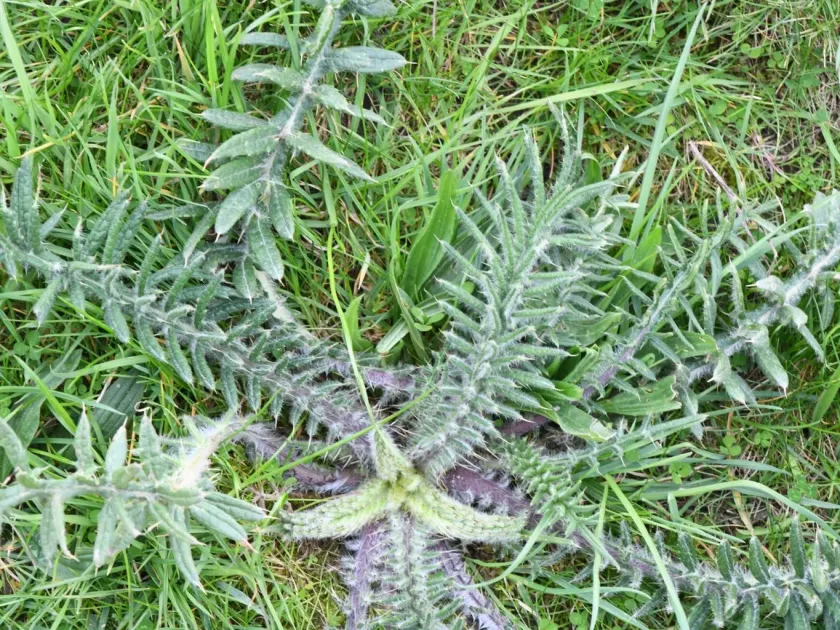
Woolly thistle (Cirsium eriophorum) is a member of the Asteraceae family. This biennial plant is characterized by a significant rosette of spiny, deeply lobed leaves in its first year, followed by the development of a stout, branched flowering stem in its second year of growth.
The plant thrives in nutrient-rich, calcareous, and well-drained soils. It requires full sunlight exposure to maintain robust health and to produce high-quality flower heads. Proper soil structure is essential to prevent root rotting, as this species does not tolerate waterlogged conditions.
Climatic requirements are met in temperate regions where the species exhibits strong winter hardiness. It is highly efficient at utilizing soil moisture, making it resilient to transient dry spells, provided the root system is well-established in the soil profile.
Agricultural management requires careful attention during the rosette stage. Maintaining clean rows and ensuring adequate spacing between individual plants helps in minimizing competition for nutrients and sunlight, ultimately leading to higher nectar production efficiency.
The primary agricultural use of the woolly thistle lies in its role as a high-quality nectar source. The large, cobwebby flower heads serve as a critical resource for local pollinator populations, which contributes to the overall biodiversity and ecological stability of agricultural landscapes.
Main diseases and pests
The main threats to the plant include defoliating insects and various aphids that specifically target the Asteraceae family. These pests can significantly reduce the vitality of the plant if infestations are not monitored and managed during the peak growing season.
Fungal diseases, specifically powdery mildew and various types of leaf spot, represent a secondary risk, especially in years with high humidity. Proper crop spacing and ventilation are the primary cultural practices used to prevent the development of these fungal pathogens.