
Bristly thistle
Cirsium echinatum
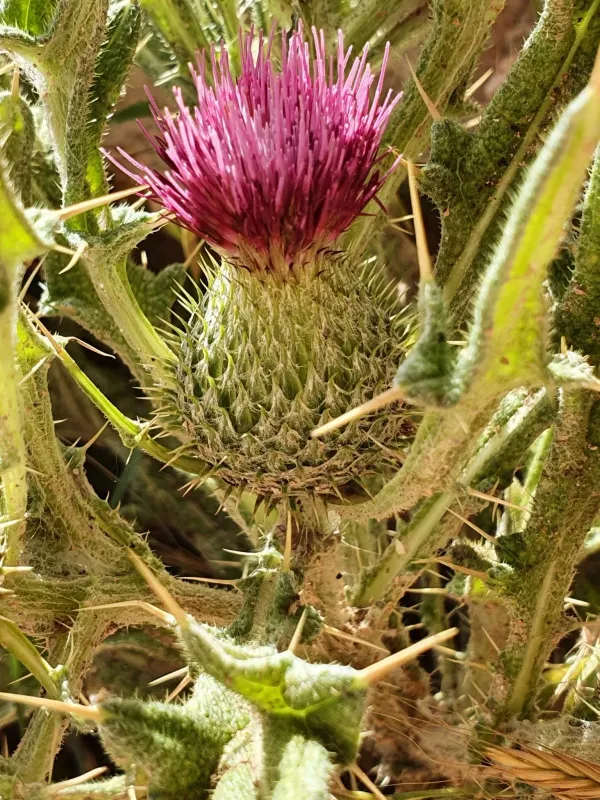
Description
Sowing dates
Bristly thistle is a perennial plant belonging to the Asteraceae family. In agricultural practices, planting is typically carried out in early spring once soil temperatures reach 8-10 degrees Celsius.
To ensure high germination rates, it is crucial to achieve proper seed-to-soil contact. Seeds should be sown at a depth of 1-2 centimeters, which allows for optimal emergence through the soil crust.
The seeding rate varies depending on the intended use, generally ranging from 10 to 12 kilograms per hectare for forage pastures. Effective weed control during the seedling stage is essential for establishing a uniform crop.
Seedlings typically appear within 14-20 days, depending on environmental conditions. Early development is relatively slow, requiring careful management of irrigation and nutrient levels during the first weeks.
Dormant or late-autumn sowing is also an option in cooler climates, as the seeds undergo natural stratification, promoting more robust and earlier growth when spring arrives.
Growing requirements
Bristly thistle is highly adaptable and thrives in a variety of soil types, including sandy loams and clay-heavy soils. It prefers open, sunny locations with good drainage to prevent waterlogging.
The plant possesses a deep, extensive root system, making it exceptionally drought-tolerant. This allows it to persist in regions with low rainfall by accessing moisture from deeper soil layers.
It prefers a soil pH range between 6.0 and 7.5. While it is hardy, it does not tolerate permanent waterlogging, as excessive soil moisture can cause root decay and reduce overall yield.
Moderate fertilization with nitrogen and potassium enhances plant vigor and biomass production. However, excessive nitrogen application should be avoided to prevent stem lodging and disease outbreaks.
Effective crop rotation is recommended to maintain soil health. Planting after cereals helps break pest cycles and ensures that the field is well-prepared for the establishment of the thistle crop.
Yield
The yield of green biomass can reach 20-30 tons per hectare under favorable conditions. Management of mowing cycles significantly impacts the total annual productivity of the forage.
When grown for seed production, yields typically range from 300 to 500 kilograms per hectare. High-quality seeds are vital for natural meadow restoration and commercial agricultural purposes.
Productivity generally peaks during the second and third years of establishment. Over time, the yield may decline due to natural root aging, necessitating occasional meadow renovation.
Frequent mowing promotes vigorous regrowth, which is essential for maximizing biomass. Cutting should be performed before seed heads mature to maintain high nutritional quality in the forage.
Bristly thistle is valued in livestock nutrition for its high protein and mineral content. When harvested at the right time, it produces nutritious hay that supplements winter feed supplies.
Main diseases and pests
The crop is susceptible to several fungal diseases, including powdery mildew and rust. These conditions can diminish the foliage quality and significantly reduce the dry matter yield.
Various insect pests, such as weevils and leaf beetles, may cause damage by feeding on leaves and developing stems. Such herbivory can lead to secondary infections and plant stress.
Aphids can also cluster on the developing stems, draining the plant of vital sap. If not managed, high pest pressure can stunt plant growth and reduce the overall seed yield.
Preventative measures, such as monitoring and using biological control agents, are preferred. Chemical interventions should be used sparingly and only if thresholds for infestation are exceeded.
Maintaining spatial isolation from heavily infested wild patches helps prevent the spread of pests and diseases. Clean seeds and healthy cultivation practices are the best defenses against threats.
Harvesting
Harvesting for forage is ideally conducted at the budding stage, when the nutrient concentration is highest. This stage ensures the best digestibility for livestock and high nutritional value.
For seed collection, mechanical harvesting should be done when the flower heads show a brown color, indicating full maturity. Precision machinery helps minimize losses during the harvesting process.
Post-harvest, seeds must be cleaned and dried to a moisture content of 12-14%. Proper drying prevents mold growth and preserves the viability of the seeds for future seasons.
Storage facilities must be dry and well-ventilated to maintain the quality of the harvested product. Controlled environments prevent deterioration and pest contamination during long-term storage.
Effective scheduling is crucial to avoid seed shattering. By harvesting at the right maturity stage, producers ensure maximum economic return and prevent the plant from becoming an unwanted weed in adjacent fields.