
Meadow thistle
Cirsium dissectum
Description
Growing requirements
Meadow thistle (Cirsium dissectum) is a perennial herbaceous plant belonging to the Asteraceae family. It is natively found across Europe, typically inhabiting damp meadows, fens, and peat bogs where moisture levels remain consistently high.
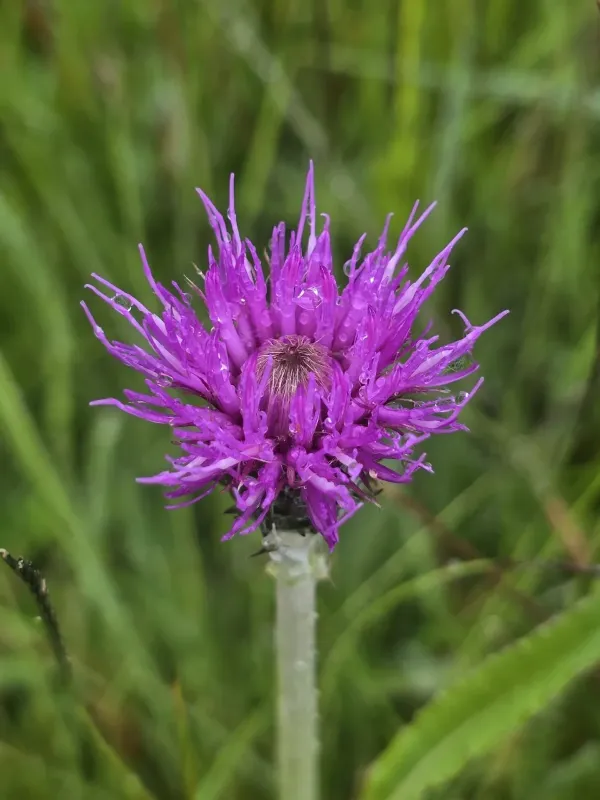
Botanically, it is recognized by its slender, deeply lobed leaves and distinctive, solitary purple flower heads. Unlike other thistle species, Cirsium dissectum is non-aggressive and does not have the prickly spines typically associated with common field thistles.
The plant thrives in nutrient-poor but moist, acidic to neutral soils. It is highly dependent on high water tables, making it an excellent indicator species for wetland environments and traditional floodplain meadow ecosystems.
Climate-wise, it prefers regions with moderate temperatures and reliable rainfall throughout the growing season. Its perennial nature and underground root system allow it to survive harsh winter frosts and remain dormant until favorable conditions return in spring.
In terms of agricultural significance, meadow thistle serves as an essential nectar source for pollinators, including bees and butterflies. It is valued in environmental restoration projects and as a component of biodiversity-rich permanent pastures.
Main diseases and pests
The primary threats to Cirsium dissectum are fungal pathogens, specifically rust diseases, which tend to flourish during prolonged periods of high humidity and limited air circulation within the meadow canopy.
Insect pests, such as aphids or various weevil species, can damage the flower buds. This reduces the reproductive success of the plant and limits the overall vigor of the individual clumps during the peak summer months.
Competition from more dominant and fast-growing grass species poses a significant risk to meadow thistle populations. If the surrounding vegetation becomes too thick or is not properly managed, this plant may be gradually suppressed.
Land drainage and changes in hydrological patterns constitute a major threat to the survival of this species. Since it relies on constant moisture, drying out the soil leads to rapid population decline.
Preventive measures include careful habitat management, ensuring that grazing or mowing regimes do not occur during the sensitive stages of the plant's life cycle, thus protecting its rhizomes and foliage.