
Carniolan thistle
Cirsium carniolicum
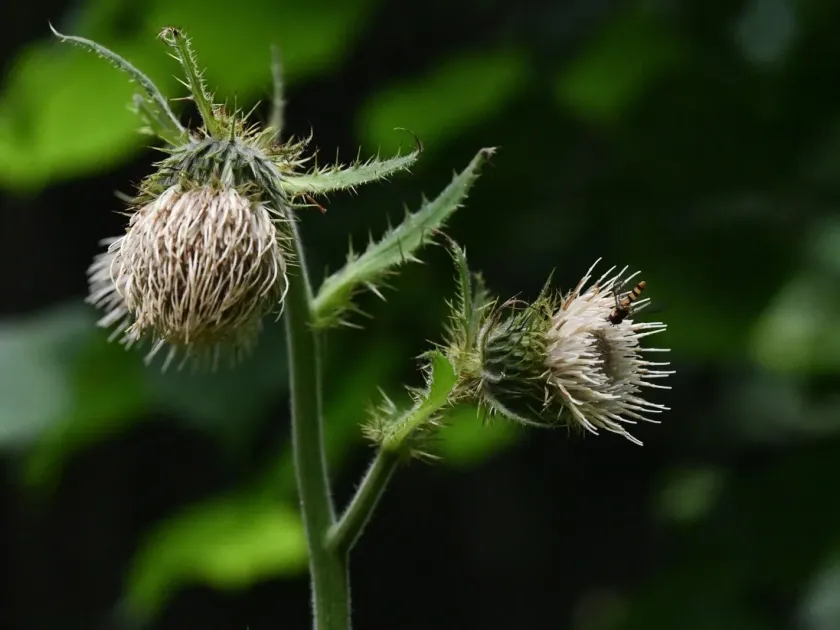
Description
Growing requirements
Carniolan thistle (Cirsium carniolicum) is a perennial herbaceous plant belonging to the Asteraceae family. It is native to the mountainous regions of Central and Southern Europe, where it thrives in alpine and subalpine meadows.
Botanically, it is distinguished by its upright stem and spiny-margined leaves. The plant develops a robust root system, which allows it to successfully compete for nutrients in diverse soil conditions, ranging from loamy to slightly stony alpine substrates.
In terms of climate, the species is highly adapted to cool, moist environments. It performs best in areas with short growing seasons and consistent precipitation. It is generally not drought-tolerant and requires protection from extreme summer heat.
Soil requirements focus on nutrient richness and proper drainage. While it thrives in wild environments with natural organic matter, cultivation requires well-prepared beds to prevent root rot, especially in high-rainfall years.
The agricultural usage of Carniolan thistle is primarily associated with biodiversity conservation and land management. It serves as an essential nectar source for wild bees and butterflies, contributing to the health of surrounding agricultural ecosystems.
Main diseases and pests
The primary threats to Cirsium carniolicum are fungal pathogens, specifically rust diseases (Puccinia spp.), which can spread rapidly in humid, stagnant air conditions. Preventing these outbreaks is a top priority for maintainers.
Insect pests, such as weevils and various leaf beetles, pose a recurring challenge. They frequently attack the developing flower heads, which can severely compromise the plant's ability to reproduce through seeds.
Management of these threats involves careful monitoring of the population. In managed plots, integrated pest management (IPM) techniques are preferred over broad-spectrum chemical treatments to protect beneficial insect pollinators.
Cultural practices, such as maintaining appropriate plant spacing to ensure airflow, remain the most effective methods for mitigating disease risks in cultivated areas.
- Periodic manual weeding to prevent nutritional stress.
- Monitoring for early signs of fungal spotting on foliage.
- Removing infected flower heads to prevent late-season disease transmission.