
Cirsium canescens
Cirsium canescens
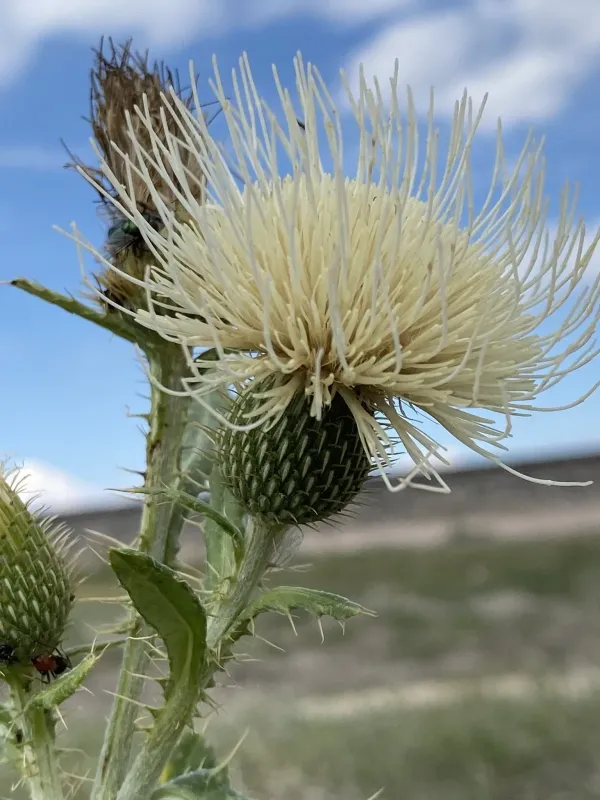
Description
Growing requirements
Cirsium canescens, commonly known as the gray thistle, is a perennial herbaceous plant belonging to the Asteraceae family. It is recognized in agronomy for its resilience and ability to establish itself in diverse environmental conditions.
The plant thrives in open, sunny habitats with moderate soil moisture levels. Its high ecological plasticity allows it to dominate various ecosystems, ranging from native grasslands to disturbed agricultural landscapes.
In terms of soil requirements, Cirsium canescens prefers nutrient-rich, permeable substrates. Its deep taproot system enables the plant to access moisture from lower soil layers, providing a significant competitive advantage in dry conditions.
The species is well-adapted to temperate and continental climates. It exhibits high cold tolerance, with its rootstock remaining viable during harsh winters, allowing for rapid vegetative regeneration in early spring.
From an agricultural perspective, Cirsium canescens acts as a problematic weed. Its presence in fields leads to resource competition, which can drastically reduce the yield and quality of commercial crops if left unmanaged.
Main diseases and pests
Various fungal pathogens, such as rusts and powdery mildew, represent common threats to the health of Cirsium canescens. These pathogens can significantly impair the plant's growth, especially during periods of high humidity.
Insect pests, particularly butterfly larvae like the Painted Lady, cause substantial damage by defoliating the plant. This loss of photosynthetic tissue restricts the plant's ability to accumulate energy reserves for the dormant season.
Seed-feeding insects, including certain weevils, often inhabit the flowering heads, reducing the viability of seeds. This biological interaction is a natural mechanism that limits the spread of the species in the wild.
Integrated weed management remains the most effective approach. This includes mechanical control methods, such as timely cultivation and deep plowing, which disrupt the integrity of the root system and prevent further spreading.
Chemical control involving systemic herbicides is widely used in commercial farming. Application should target the rosette stage, maximizing translocation to the roots to achieve long-term suppression of the weed population.