
Cirsium candelabrum
Cirsium candelabrum
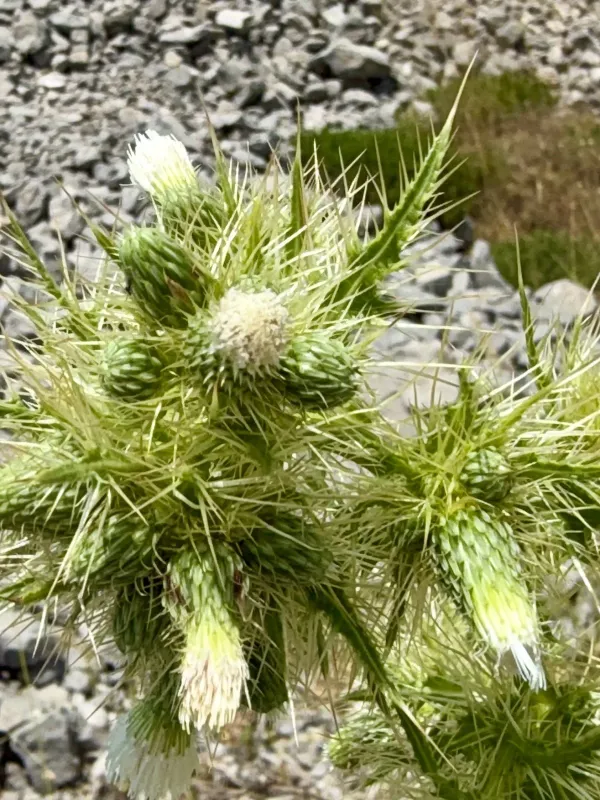
Description
Sowing dates
Cirsium candelabrum is a perennial herbaceous plant belonging to the Asteraceae family, characterized by its deep, extensive root system capable of vegetative reproduction.
The plant initiates its development cycle by forming a dense basal rosette, which provides the necessary energy reserves to survive dormancy periods and initiate rapid growth in the spring.
Reproduction occurs primarily through wind-dispersed seeds, allowing the species to rapidly colonize fallow land and cultivated fields alike.
Biologically, it acts as a strong competitor for soil nutrients and light, often outperforming slow-growing crops in the early stages of the growing season.
The transition to the reproductive phase is marked by the development of a branched stem, typical for the species' growth pattern, which facilitates efficient seed production.
Growing requirements
The plant thrives in fertile soils with adequate moisture and good aeration, frequently appearing in areas where intensive agricultural practices leave nitrogen-rich residues.
Agrotechnical control requires a combination of deep tillage to disrupt root connectivity and the targeted use of systemic herbicides to reach the plant's deep storage organs.
Crop rotation remains the most effective long-term strategy, using competitive crops to provide dense ground cover and minimize light availability for thistle germination.
Soil pH management is also relevant, as certain soils favor the rapid expansion of thistle populations if they are not maintained at optimal levels for crop production.
Timely intervention is critical, as the plant becomes significantly harder to manage once it shifts its metabolic resources into the flowering and seed-setting phases.
Main diseases and pests
Cirsium candelabrum serves as a host for various agricultural pathogens, including rust fungi and mildews that threaten the yield of surrounding commercial crops.
Various insect pests, such as stem-boring weevils, find refuge in the plant's tissues, which can lead to increased infestation pressures on nearby vegetable or grain crops.
The presence of this plant on field borders acts as a permanent inoculum source for diseases, necessitating strict sanitation practices around the perimeter of agricultural plots.
Integrated pest management strategies must focus on eliminating these plants before they bloom to prevent the cross-contamination of fields by spores or insect vectors.
- Systematic weed mapping and early removal.
- Application of systemic herbicides during the rosette stage.
- Regular field border cleaning and sanitation.