
Cirsium brevistylum
Cirsium brevistylum
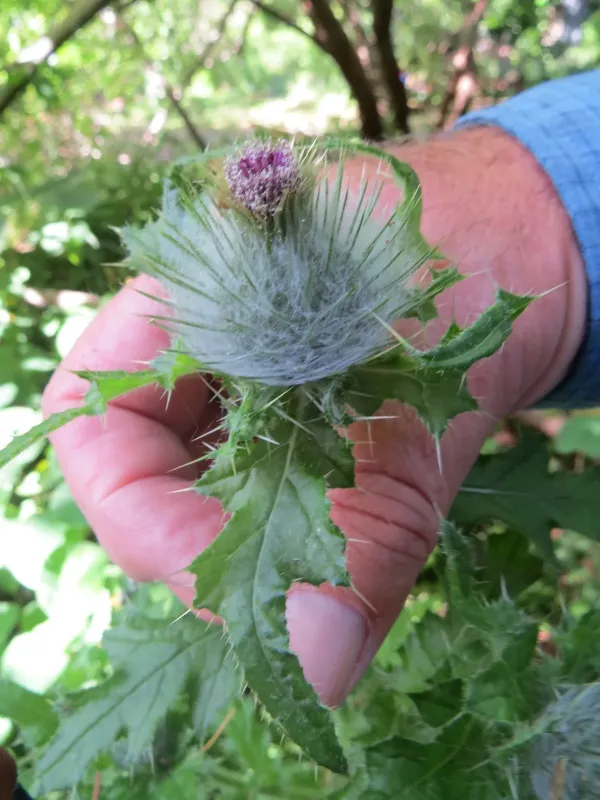
Description
Growing requirements
Cirsium brevistylum, commonly known as the short-styled thistle, is a perennial herbaceous plant belonging to the Asteraceae family. This species is recognized for its robust growth habit and is primarily found in its native North American habitats, such as moist meadows and woodland openings.
The plant thrives in regions with a temperate climate, requiring consistent moisture during the spring and early summer. It is best suited for sites with high-quality, well-drained loam soils that provide adequate nutrients for its vigorous vegetative development.
Botanically, the short-styled thistle is distinguished by its erect, branching stem and deeply lobed leaves armed with prickles. It produces distinctive purple flower heads that serve as an important nectar source for various pollinators, including bees and butterflies.
Cultivation of this species requires careful site selection to avoid areas prone to prolonged flooding. While it is hardy, the plant performs best when exposed to direct sunlight, which promotes better structural integrity of the stems and higher quality of the foliage.
Agrotechnical management includes maintaining moderate soil fertility and ensuring adequate spacing between plants to prevent competition for light and nutrients. Its deep root system allows it to withstand periods of mild drought once the plant is fully established.
Main diseases and pests
The primary diseases affecting Cirsium brevistylum are typically fungal in origin, with powdery mildew being the most common concern. This condition is often exacerbated by poor air circulation around the plants and excessively high humidity levels.
Pest pressure mainly comes from aphids and specific types of weevils that target the developing flower buds. These insects can significantly impact seed production, which is a critical factor if the crop is being cultivated for propagation or biodiversity purposes.
To mitigate disease risks, it is essential to keep the planting area clean of decaying plant debris from previous seasons. Rotating crops or avoiding mono-cultural blocks of Asteraceae can also help reduce the buildup of host-specific pathogens.
Physical removal of weeds and competing vegetation around the young thistle plants is crucial during the early stages of growth to ensure they do not become stunted. Proper density control helps in managing microclimates to discourage fungal growth.
Integrated pest management strategies suggest focusing on early detection. Regularly inspecting the underside of leaves and the base of the flower heads allows for timely interventions that can prevent major outbreaks without heavy chemical reliance.