
Cirsium brevifolium
Cirsium brevifolium
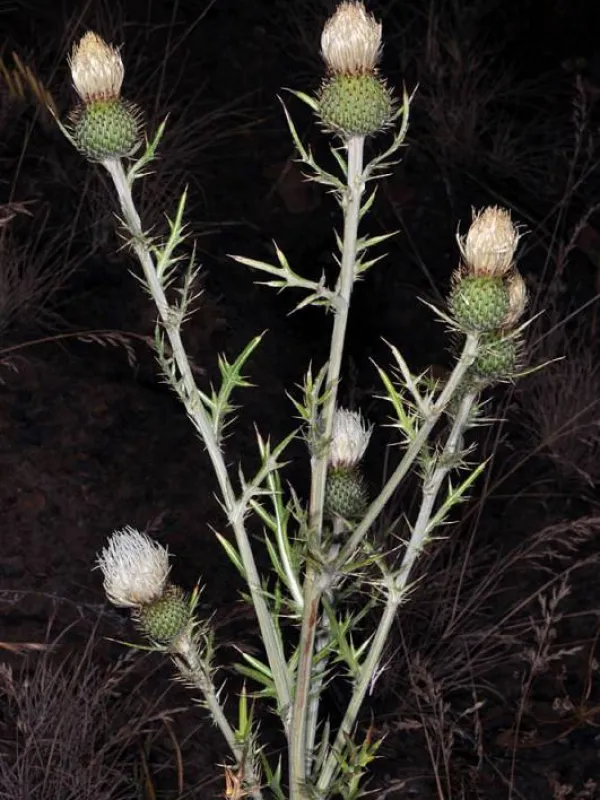
Description
Growing requirements
Cirsium brevifolium is a perennial herbaceous plant belonging to the Asteraceae family. It is primarily recognized for its presence in high-altitude environments, where it displays significant physiological adaptation to rugged terrain.
Regarding soil requirements, the plant prefers fertile, well-drained loams. However, its high plasticity allows it to establish itself in rocky or skeletal soils where other species might struggle to survive, making it a persistent competitor.
The climate requirements for this species are characterized by a tolerance for alpine temperatures and a dependency on high solar exposure. It thrives in open landscapes and is significantly disadvantaged in high-density shaded environments.
Its biology is defined by a deep taproot that serves as a storage organ, ensuring survival through dormant winter periods and sudden environmental shifts. This structure is a primary challenge for mechanical weed control operations.
While not a crop itself, understanding the ecological niche of Cirsium brevifolium is vital for managing pasture health and ensuring that productive land remains clear of unwanted aggressive vegetation.
Main diseases and pests
The main threat posed by this species to agriculture is its invasive nature, which leads to substantial resource competition. Crops grown near dense clusters of this plant often show stunted growth due to nutrient depletion.
Common threats include infestations by specialized insects, such as beetles and aphids, which utilize the plant as a host and can migrate to crops. Fungal pathogens like powdery mildew frequently affect the aerial parts of the thistle.
Mechanical control involves persistent deep cultivation to deplete root carbohydrate reserves. Implementing crop rotations that include dense-canopy crops can significantly shade out and suppress the development of this plant.
Chemical control strategies rely on systemic herbicides that are translocated to the root system to prevent regeneration. Timing the application before flowering is critical for reducing the viable seed bank.
A proactive approach involving scouting and early detection ensures that patches of Cirsium brevifolium do not expand, maintaining the overall yield potential and quality of the cultivated land.