
Chiococca
Chiococca
Chiococca is a genus of evergreen shrubs and vines belonging to the Rubiaceae family. These plants are native to the tropical and subtropical regions of the Americas, thriving in diverse environments from humid forests to rocky coastal thickets.
What the section contains

Chiococca
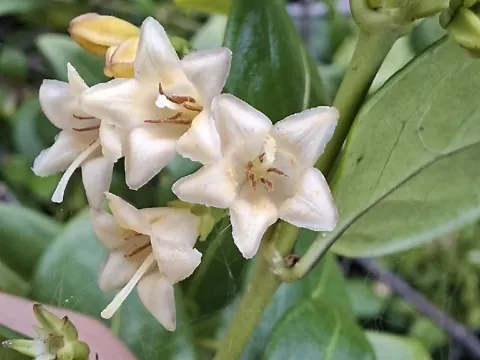
Botanically, these plants are known for their glossy, opposite leaves and small, fragrant, yellowish-white flowers. After pollination, they produce distinctive white, berry-like fruits that provide significant visual interest in tropical landscapes.
To cultivate Chiococca successfully, one must ensure a growing environment with high humidity and consistent temperatures. The plant requires well-draining, nutrient-rich soil that mimics the organic-heavy floor of a tropical rainforest.
Regarding light conditions, Chiococca is highly adaptable. It performs best in bright, filtered light but can tolerate partial shade, making it a versatile choice for botanical collections and conservatory displays.
In terms of usage, while not a mass-produced agricultural commodity, Chiococca holds value in ethnobotanical studies. Certain species within the genus have historically been utilized in local medicinal practices, and their ornamental potential continues to attract plant enthusiasts.
Like many plants in the Rubiaceae family, Chiococca is susceptible to fungal issues, particularly when air circulation is poor or humidity levels are stagnant. Fungal leaf spots are common symptoms of inadequate environmental maintenance.
Pest management is focused on common sap-sucking insects such as aphids, scale insects, and mealybugs. These pests can weaken the plant's structural integrity if infestations are left unmanaged over a period of time.
Root rot represents a critical physiological threat to the plant, usually caused by overwatering or compacted, poorly drained substrate. Maintaining the right soil structure is essential for long-term survival of the specimen.
Competition from invasive plant species can hinder the growth of young Chiococca shrubs in semi-wild conditions. Manual clearing and proper site selection are necessary to ensure the plant has enough space to establish its root system.
Nutrient deficiencies, specifically chlorosis, can occur if the soil pH deviates from the optimal range. Regular testing and the application of balanced, slow-release fertilizers are recommended to keep the foliage vibrant and healthy.