
Tea plant
Camellia sinensis (L.) Kuntze
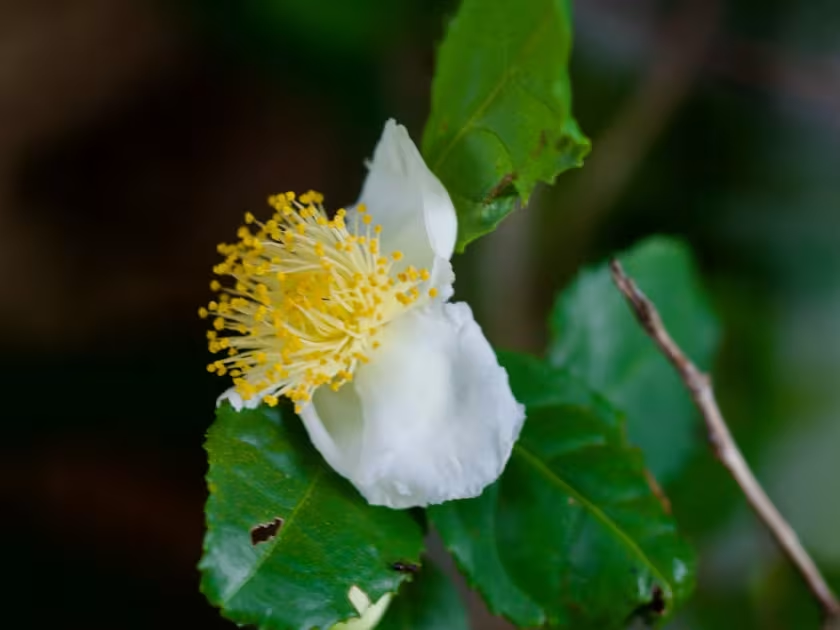
Description
Sowing dates
Propagation of the tea plant is typically achieved through seeds or vegetative cuttings. Seeds are sown in specialized nurseries using a well-drained, acidic substrate to ensure optimal germination rates under controlled moisture.
The establishment of tea plantations is best performed during the wet season to allow the root systems to stabilize in the soil. Proper spacing between rows, usually 1.5 to 2 meters, is essential for machine accessibility and adequate airflow between shrubs.
Young seedlings require shading during their initial growth years, as intense direct sunlight can scorch tender foliage. Using shade cloths or companion planting helps create the microclimate necessary for healthy vegetative development.
Transplanting to the permanent field occurs when seedlings reach 1–2 years of age and develop a robust root system. During this critical transition, irrigation must be carefully managed to prevent plant stress and dehydration.
Shaping the tea bush begins in the early stages through regular pruning, which promotes lateral growth and creates a dense, flat canopy known as a plucking table. This structure is vital for efficient harvesting and long-term productivity.
Growing requirements
The tea plant, a member of the Theaceae family, is an evergreen shrub that thrives in tropical and subtropical climates. It is highly sensitive to frost, which can permanently damage young shoots and significantly reduce the overall yield.
Acidic soil with a pH range of 4.5 to 5.5 is non-negotiable for successful tea farming. The soil must provide excellent drainage, as waterlogged conditions quickly lead to root rot and other fatal soil-borne diseases.
High rainfall, typically between 1500 mm and 2500 mm annually, is required for optimal growth. In regions where rainfall is seasonal or insufficient, irrigation systems are necessary to maintain the turgor pressure of the tea leaves.
Diffuse, filtered sunlight is preferred over harsh, direct light as it improves the chemical composition of the leaves. High humidity levels, characteristic of mountainous terrain, act as a natural growth promoter for the plant's leaves.
The ideal temperature range for tea metabolic processes is between +18°C and +25°C. Consistent warmth combined with high humidity ensures the production of high-quality flushes that contain the desired aromatic compounds.
Yield
The economic output of a tea plantation is determined by the age of the bushes and the implementation of sound agricultural practices. Full, consistent production typically begins 4 to 5 years after the initial field planting.
Average yield per hectare varies by variety and climate, ranging from 3 to 8 tons of fresh leaf annually. Intensive management and regular fertilizing are required to sustain such production levels over long periods.
Frequent plucking of young shoots encourages the bush to replenish its biomass, which is the primary driver of high-yield cycles. This process requires a consistent supply of nutrients to the soil to prevent exhaustion.
In seasonal climates, production slows down during colder months as the plant enters a dormant state. Conversely, in equatorial zones, tea can be harvested throughout the year, maximizing total yearly productivity.
The quality of the yield is defined by the proportion of buds and the first two leaves, known as flushes. Higher ratios of these tender tissues represent premium grades that command the highest prices on the global tea market.
Main diseases and pests
Tea plants are vulnerable to various fungal diseases, with blister blight being one of the most destructive threats. It causes distinct lesions on leaves, reducing quality and stunting the growth of new shoots.
Pests such as tea aphids, mites, and leaf rollers can cause significant damage to plantations by feeding on succulent tissues. These outbreaks are often exacerbated by poor ventilation or imbalances in soil nutrition.
Root rot caused by stagnant water is a persistent threat that requires careful site selection and drainage management. Routine field monitoring and the removal of infected branches are essential to contain the spread of disease.
- Tea mosquito bug, which punctures young shoots.
- Red spider mites, causing leaf yellowing and shedding.
- Fungal spores thriving in stagnant, humid environments.
Integrated Pest Management (IPM) is the modern standard for tea farms, reducing chemical reliance while promoting biological controls. This ensures both crop safety and environmental sustainability.
Harvesting
Harvesting tea is a precise labor-intensive process, as only the most tender buds and young leaves are selected for processing. Manual plucking remains the gold standard for maintaining the structural integrity of the plant.
On larger industrial estates, mechanized harvesting is employed to reduce costs, though it requires careful post-harvest sorting to remove impurities. Balance between machinery efficiency and leaf quality is a constant challenge.
Early morning harvests are preferred while moisture levels are high, as this helps preserve the essential oils and polyphenols within the leaves. Speed of transport to the processing facility is vital for quality control.
Once plucked, leaves undergo rapid processing stages such as withering and oxidation to prevent premature decay. The timing between the field and the factory directly impacts the final flavor profile and aroma.
Ongoing plucking routines prevent the bushes from flowering too early, focusing the plant's energy into leaf growth. Well-maintained tea plants are highly resilient and can provide productive harvests for several decades.