
Camellia azalea
Camellia azalea C. F. Wei
Description
Growing requirements
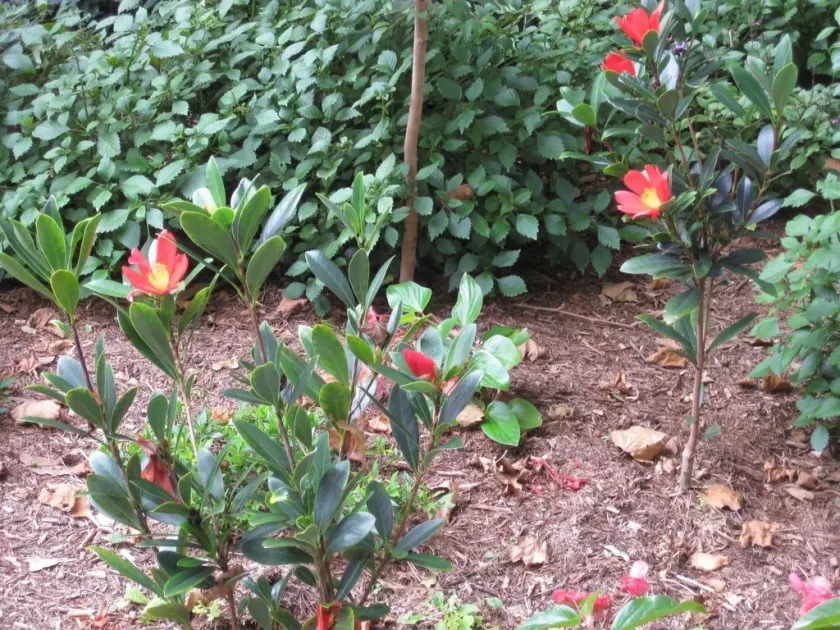
Camellia azalea (Camellia azalea C. F. Wei) is a distinctive species belonging to the Theaceae family. It is renowned for its unique floral morphology, with petals that bear a striking resemblance to those of azaleas, setting it apart from more traditional Camellia species.
The native habitat of this plant is confined to the mountain regions of Guangdong province, China. It is adapted to high-humidity environments and typically grows in forest understories where it receives filtered light, making it a sensitive species to cultivate outside these conditions.
Successful cultivation requires a well-draining, acidic soil medium, ideally containing organic matter such as peat moss and pine bark. Proper drainage is critical, as the roots are highly prone to rot if kept in standing water or poorly aerated soil.
Regarding climate, the plant requires mild temperatures and consistent air humidity. It lacks significant frost tolerance, necessitating indoor cultivation or greenhouse protection in regions where temperatures drop near freezing, as cold damage can severely impact the shrub.
The economic value of Camellia azalea is primarily focused on the ornamental and horticultural sectors. Because it can bloom almost year-round, it is a prized specimen for collectors and a critical resource for breeders looking to introduce prolonged flowering traits into new Camellia hybrids.
Main diseases and pests
Common plant health issues include fungal diseases like Phytophthora root rot and leaf spot pathogens. These are primarily managed through strict water control and by ensuring adequate airflow around the foliage to prevent excessive moisture accumulation.
The most significant pests affecting this species include scale insects, spider mites, and aphids. Early detection is vital for effective management, often involving the use of horticultural oils or systemic insecticides to protect the plant's aesthetic quality.