
Camellia japonica
Camellia japonica L.
Description
Growing requirements
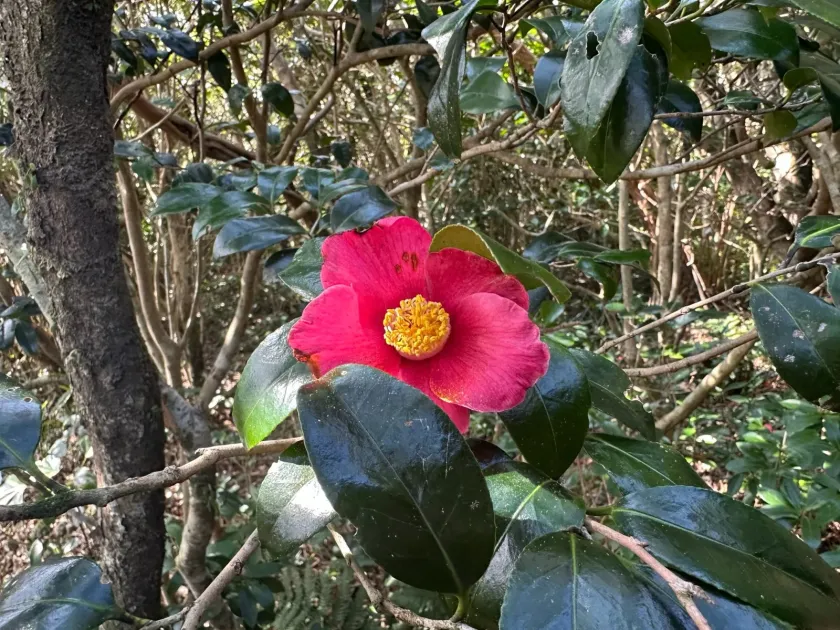
Camellia japonica (Camellia japonica L.) is a prominent member of the Theaceae family. Native to East Asia, including Japan and China, it is a broadleaf evergreen shrub prized for its glossy dark green foliage and spectacular large blooms.
This crop has specific soil requirements, strictly demanding acidic soil with a pH level between 4.5 and 5.5. The growing medium must be highly organic, well-draining, and rich in humus to support vigorous root health.
In terms of climate, it thrives in cool to moderate environments with high humidity. Direct harsh sunlight should be avoided to prevent leaf scorch; therefore, partial shade or dappled light is the ideal location for healthy vegetative growth.
Cultural practices include consistent watering with soft, non-alkaline water. Mulching the base of the shrub is essential to maintain soil moisture and protect shallow roots from rapid temperature fluctuations and drying out.
Fertilization should be limited to the post-flowering period. Using specialized acid-loving plant fertilizers ensures that the crop receives the necessary nitrogen, phosphorus, and potassium ratios without raising the soil pH.
Main diseases and pests
Common pests affecting Camellia japonica include scale insects and aphids, which gather on stems and leaf undersides. Infestations lead to reduced plant vigor and can encourage the growth of sooty mold.
Spider mites are prevalent in environments with insufficient humidity. Regular misting and proper plant spacing are effective ways to mitigate mite population growth during the warmer growing seasons.
Root rot is a major physiological and pathological threat triggered by overwatering or poor drainage. Once roots are compromised, the plant struggle to transport nutrients, leading to yellowing leaves and eventual death.
Fungal leaf spots and anthracnose can occur when the foliage remains wet for extended periods in poorly ventilated areas. Pruning for airflow and removing infected debris are critical sanitation steps.
The main use of Camellia japonica is ornamental, serving as a focal point in landscapes and as a popular greenhouse crop. Its cultivation also extends to the production of high-value seed oils utilized in traditional skincare and cosmetic formulations.