
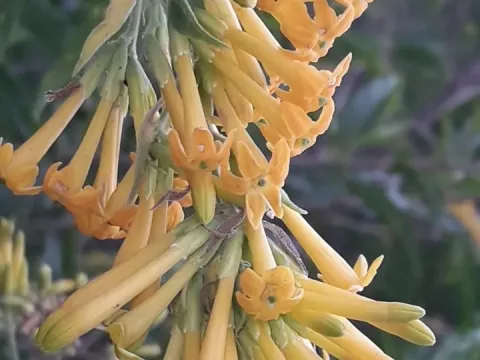
Cestrum
Cestrum
Cestrum is a genus of evergreen shrubs and small trees belonging to the Solanaceae family. Native to the tropical regions of the Americas, these plants are known for their rapid growth and highly fragrant, tubular flowers that bloom in terminal clusters.
What the section contains


Cestrum
Botanically, the plant features alternate, entire leaves and a distinct flower structure that is typically pollinated by nocturnal insects in its natural habitat. The genus includes several species that are widely cultivated for their ornamental value in temperate and tropical climates.
The crop requires a frost-free environment, thriving best in temperatures between 20°C and 25°C during the growing season. In cooler climates, it must be overwintered indoors, as the root system is sensitive to sub-zero temperatures and frost-induced damage.
Soil requirements involve a well-drained, nutrient-rich potting medium with a pH ranging from slightly acidic to neutral. Ensuring adequate drainage is critical, as the roots are prone to oxygen starvation and decay if the soil remains waterlogged for extended periods.
In commercial and amateur horticulture, Cestrum is primarily used as an ornamental specimen for containers or conservatories. It responds well to pruning, which is essential for managing its size and encouraging denser foliage and more prolific flowering during the season.
Common pests affecting Cestrum include aphids, spider mites, and whiteflies, which thrive in controlled indoor environments. Monitoring foliage and maintaining appropriate humidity levels are the first lines of defense against these persistent insects.
Root rot and fungal leaf spots are the most frequent health issues caused by poor cultural practices. Maintaining strict irrigation protocols, ensuring proper sanitation of growing spaces, and providing adequate airflow are essential for preventing the development of these diseases.