
Centaurium spicatum
Centaurium spicatum
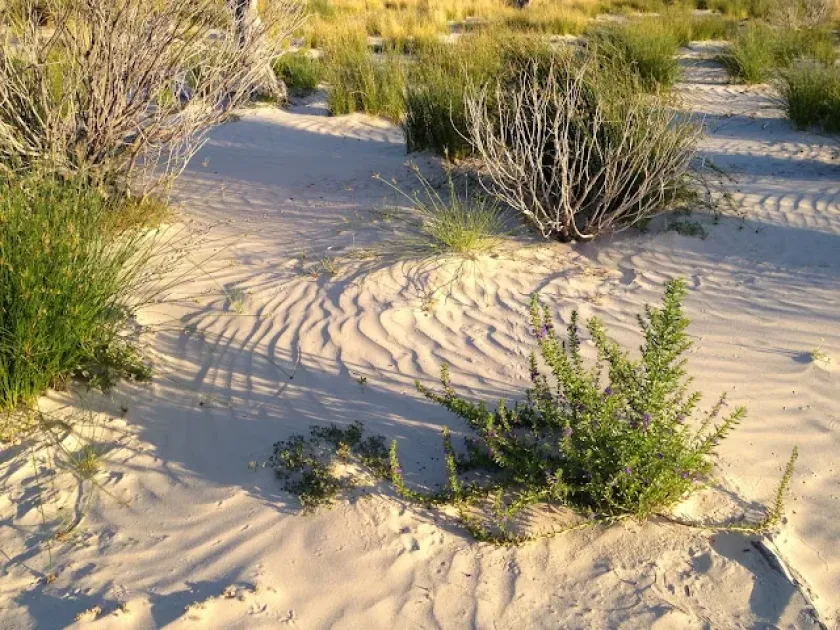
Description
Sowing dates
Centaurium spicatum, commonly known as the seaside centaury, is typically grown from seeds. The seeds are extremely small, necessitating a shallow sowing technique where they are lightly pressed into the soil surface rather than buried, ensuring adequate light exposure for germination.
The ideal sowing period is early spring, once the soil has warmed to at least 10-12 degrees Celsius. Alternatively, autumn sowing is possible in temperate regions, allowing the seeds to undergo natural stratification, which often results in more vigorous spring emergence.
Seeds should be sown in rows spaced approximately 20-25 centimeters apart, allowing for efficient weeding and air circulation. Maintaining consistent soil moisture during the first few weeks after sowing is essential for success, as seedlings are sensitive to surface drying.
Germination usually occurs within two to three weeks under optimal moisture conditions. Once the plants reach the two-leaf stage, thinning is necessary to ensure each plant has enough space to develop its basal rosette, which is vital for later reproductive success.
For commercial production, starting plants in nursery trays is highly effective. Once the seedlings reach the 4-leaf stage, they are transplanted into the field, which minimizes early-stage losses and ensures a more uniform plant stand across the entire plot.
Growing requirements
As a member of the Gentianaceae family, Centaurium spicatum thrives in full sun exposure. Shading is highly detrimental to the plant, as it inhibits the development of the chemical compounds responsible for its medicinal properties and causes weak, leggy growth.
This species prefers well-drained, light soils, such as sandy loams or sandy substrates. It is particularly noted for its tolerance to slightly saline conditions, making it adaptable to coastal environments where other crops might struggle with soil salinity.
Soil pH should ideally be neutral or slightly alkaline. The plant requires adequate moisture during its vegetative growth phase, but it cannot tolerate waterlogged soils, which lead to root rot and poor plant vigor throughout the season.
Climatic needs center around warm, sunny weather, especially during the flowering stage when the concentration of active ingredients peaks. Extreme humidity and lack of sunlight during the budding phase can significantly reduce the potential yield and quality.
Effective agronomic management includes regular shallow cultivation between rows to eliminate weeds, which are the main competitors for nutrients. The plant is relatively low-maintenance once established, provided the field is kept free of invasive broadleaf weeds.
Main diseases and pests
Fungal diseases are the primary threat to Centaurium spicatum, especially in regions with high humidity. Powdery mildew can affect the foliage if air circulation is inadequate, requiring immediate thinning or better spatial management within the rows.
Root rot is a major risk, particularly if the soil remains excessively wet or lacks proper drainage. Ensuring that the site is well-drained is the most effective preventative measure against these systemic infections during the growing season.
Pests such as aphids may congregate on the developing flower spikes, sucking sap and weakening the plant. Integrated pest management, focusing on biological controls or manual removal, is preferred over chemical interventions to maintain the herb's quality.
Slugs and snails can cause significant damage to young seedlings in spring. Protecting the plot with physical barriers or mulch that is not conducive to slug movement is recommended to ensure high plant survival rates in the early weeks.
Field hygiene is critical; removing diseased or damaged plant material promptly prevents the spread of pathogens. Monitoring the plantation weekly for any signs of discoloration or wilting allows for quick corrective actions before a problem becomes widespread.
Harvesting
Harvesting is performed during the peak flowering period when the plant contains the highest concentration of active compounds. Timing is critical, as harvest too early or too late can drastically lower the pharmacological value of the herbal product.
Plants should be cut at approximately 5-10 centimeters above the ground. Using sharp, clean harvesting tools ensures that the remaining root crown is not damaged, which is important for preventing potential decay in the field.
Immediate processing is required to preserve quality. The harvested material must be dried quickly in a well-ventilated area, protected from direct sunlight, or in specialized drying chambers at temperatures not exceeding 45 degrees Celsius.
Properly dried material should maintain a vibrant green color in the stems and retain its characteristic floral scent. Once fully dehydrated, the herb should be cleaned of any dirt or foreign botanical matter to meet commercial quality standards.
Storage must take place in a cool, dry, and dark environment, preferably in paper or textile bags that allow for continued air exchange. When stored correctly, the dried herb maintains its potency for up to two years after harvest.