
Centaurium favargeri
Centaurium favargeri
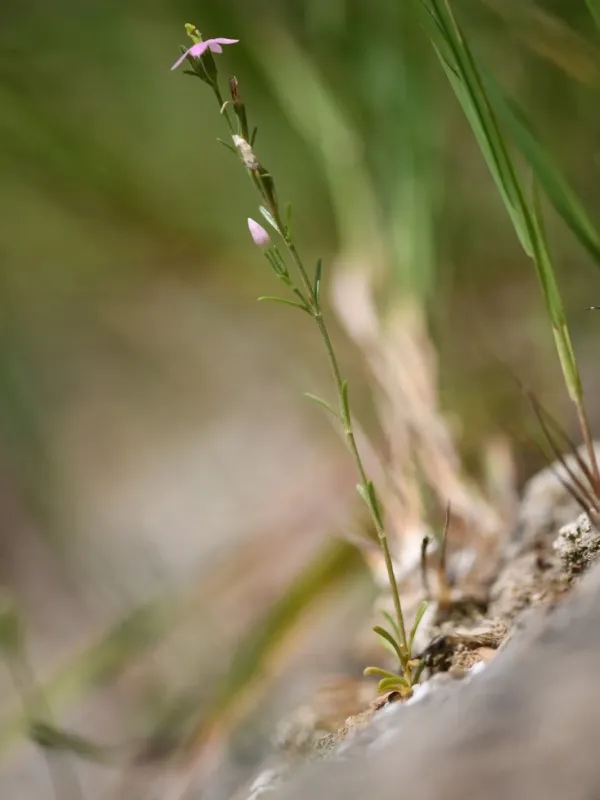
Description
Growing requirements
Centaurium favargeri is a specialized botanical species belonging to the Gentianaceae family. It is typically found in coastal sand dune environments, where it displays specific adaptations to sandy, well-draining soils with low nutrient content.
The plant thrives in full sun and is highly sensitive to competition from more aggressive vegetation. In cultivation, it requires an open, bright location with excellent drainage to prevent root rot, which is a common issue in heavier, clay-based soil types.
Climatic requirements for this species are centered on stable, mild temperatures typically found in temperate maritime regions. It lacks tolerance for prolonged drought but also suffers in waterlogged conditions, requiring careful moisture management.
When preparing the site, it is crucial to avoid heavy fertilization. Centaurium favargeri has evolved to extract nutrients from poor soils, and high levels of nitrogen may lead to vegetative overgrowth that weakens the plant's structural integrity.
Regular monitoring of soil pH is recommended, as the plant prefers slightly acidic to neutral substrates. Consistency in moisture levels during the germination phase is critical to ensure successful establishment of the seedlings.
Harvesting
The economic value of this crop is primarily found in its therapeutic profile. The plant contains various bitter compounds and flavonoids, which have been historically utilized in traditional medicine for digestive support and appetite regulation.
Harvesting is typically performed during the peak flowering stage, which ensures the highest concentration of phytochemicals in the stems and flowers. Collectors should employ sustainable harvesting techniques to protect natural populations.
Post-harvest processing involves air-drying the harvested material in shaded, well-ventilated areas. Controlled temperatures are essential to preserve the delicate chemical balance of the medicinal compounds contained within the tissues.
Storage of the processed herb must be done in cool, dark, and dry conditions. Proper packaging is necessary to prevent the loss of volatile compounds and to protect the product from moisture-induced degradation.
Research into the domestication of Centaurium favargeri is ongoing, focusing on creating sustainable supply chains. Given its rarity in the wild, cultivation initiatives often prioritize conservation alongside economic utility.