
Centaurium littorale
Centaurium littorale
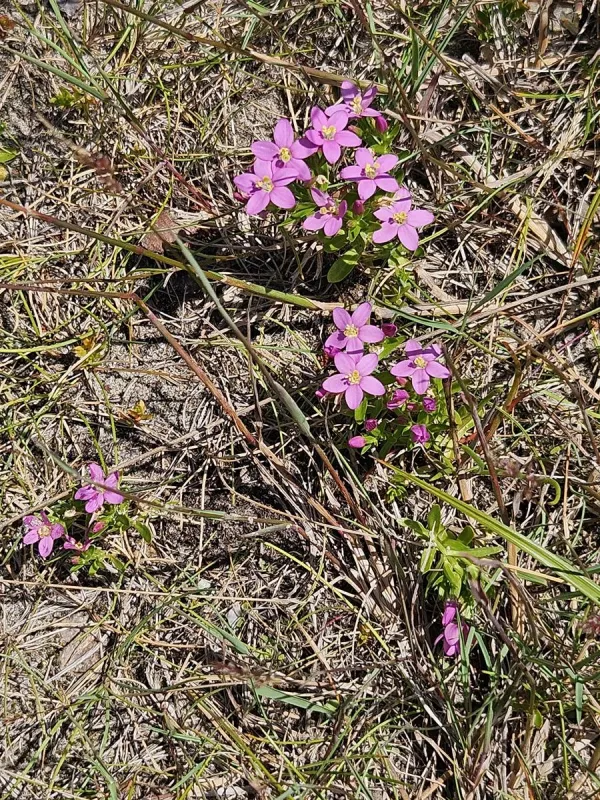
Description
Sowing dates
Centaurium littorale, commonly known as the seaside centaury, belongs to the Gentianaceae family and is a biennial plant used primarily for medicinal purposes.
The optimal time for sowing is during the late autumn, which allows the seeds to undergo natural stratification during the winter cold, increasing germination rates.
If spring sowing is required, seeds must be mixed with moist sand and stored at low temperatures (around 3 to 5 degrees Celsius) for several weeks.
Due to the extremely small size of the seeds, they should be broadcast onto a finely prepared soil surface and lightly pressed rather than buried deep.
During the first growth season, the plant develops a basal rosette, while the flowering stalks and reproductive structures appear in the second year.
Growing requirements
This species thrives in sunny, open habitats with sandy or gritty soils that offer excellent natural drainage and prevent water accumulation.
The soil should have a neutral or slightly alkaline pH to support optimal growth and the development of the plant's characteristic bitter compounds.
Consistent moisture is essential, but the substrate must never be allowed to become waterlogged, as this is detrimental to the plant's root health.
It is crucial to maintain a weed-free environment, as the seaside centaury is a poor competitor and can easily be suppressed by vigorous weeds.
The ideal climatic conditions mimic maritime environments, characterized by moderate humidity and good air circulation to prevent overheating or stagnation.
Main diseases and pests
Root rot is the most common pathology, usually triggered by excessive moisture and poor soil drainage during the dormant or early growth periods.
Young plants are highly susceptible to herbivory by slugs and snails, which can significantly reduce plant density in newly established fields.
Powdery mildew may occur if the planting density is too high, leading to reduced airflow and increased humidity levels within the canopy.
Pests such as aphids may occasionally cluster on the inflorescences, necessitating monitoring and the use of integrated pest management strategies.
Maintaining proper spacing and ensuring adequate soil aeration are the most effective cultural methods for preventing disease outbreaks in this crop.
Harvesting
The harvest should occur when the plant is in full bloom, which is the period when the concentrations of medicinal secondary metabolites are highest.
The entire aerial part of the plant is harvested by cutting stems near the base, taking care not to disturb the root system in the soil.
Immediate processing after harvest is required to prevent moisture loss and degradation of the plant's active constituents due to heat or wilting.
Drying must be performed in a cool, dark, and well-ventilated area to ensure that the medicinal properties are preserved without oxidation.
Once dried, the plant material should be processed to remove any debris and then stored in airtight containers, away from light and humidity.