
Sea centaury
Centaurium maritimum
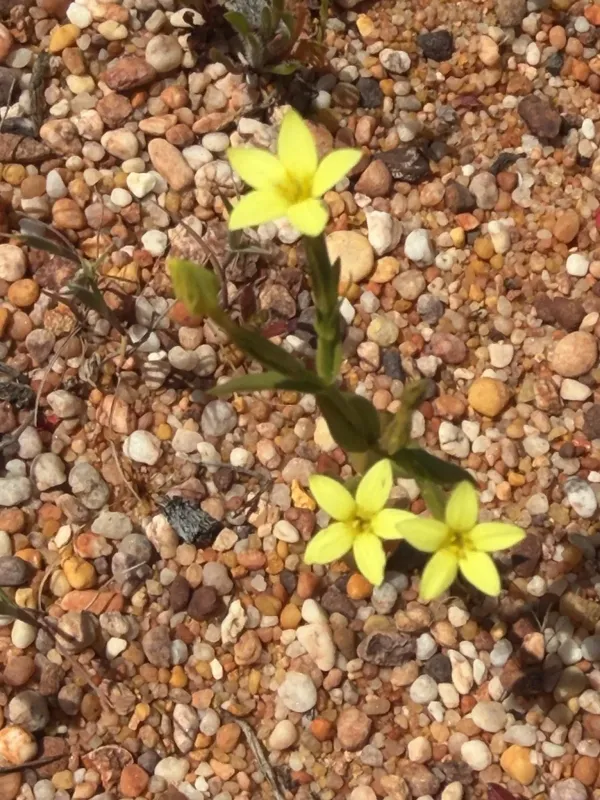
Description
Sowing dates
Sea centaury (Centaurium maritimum) is an annual herb belonging to the Gentianaceae family. Cultivation starts with seeds, which are small and require specific conditions for successful germination.
Sowing typically takes place in early spring once the threat of frost has passed and soil temperatures have stabilized. The seeds should be sown on the surface of the soil, as they need light to germinate properly.
The planting area must be prepared to have loose, well-draining soil. Because the seeds are tiny, it is recommended to mix them with fine sand for an even distribution across the sowing area.
For greenhouse production, plugs or small pots can be used, starting about eight weeks before the outdoor planting date. This ensures strong seedlings capable of surviving early field environmental stressors.
Spacing is crucial for plant development; keeping a distance of 15–20 centimeters allows for adequate airflow, which is essential to prevent common plant diseases during the growing season.
Growing requirements
Sea centaury thrives in sunny, open locations. It has a high requirement for light and will struggle if placed in areas with significant shade, often resulting in etiolated growth.
The ideal soil type is sandy or loamy with excellent drainage. This plant is highly sensitive to waterlogged conditions, which can lead to rapid root decay and plant mortality.
Climatic conditions should be moderate. While the plant is resilient, it prefers consistent moisture levels during its active growth phase. Prolonged drought periods should be managed with irrigation.
Soil pH should remain in the neutral to slightly alkaline range. If the soil is too acidic, it can be amended with lime to ensure better nutrient uptake and healthier plant development.
Fertilization should be handled with care. A balanced, low-nitrogen fertilizer is preferred, as high nitrogen levels promote excessive leaf growth and lower the concentration of medicinal compounds.
Main diseases and pests
Root rot is the most significant threat to sea centaury, often caused by over-irrigation or soil that lacks proper drainage. Early detection is vital for crop protection.
Powdery mildew represents another major challenge, particularly during humid weather conditions. It manifests as a white, dusty growth on the foliage and can quickly reduce plant quality.
Common pests like aphids and spider mites can infest the crops, particularly in greenhouses. They feed on plant sap, weakening the plant and making it more susceptible to environmental stress.
Integrated Pest Management (IPM) practices are encouraged. This involves using natural predators or organic sprays that do not compromise the quality of the medicinal herb.
Proper sanitation of the field by removing weeds and plant debris is the best preventative measure against pests and fungal outbreaks that can wipe out a plantation.
Harvesting
The harvesting process begins at the peak of the flowering stage, which is when the concentration of bitter compounds is at its highest point for therapeutic applications.
Plants are harvested by cutting the stems above the base. This method allows the field to remain cleaner and easier to manage during the drying process for the plant material.
Drying must occur in a well-ventilated area protected from direct sunlight to preserve the integrity of the active ingredients. A temperature-controlled drying room is ideal for consistent quality.
Once dried, the herb should be checked for moisture content. Proper drying is indicated when the stems are brittle and snap easily rather than bending.
Stored material should be kept in airtight containers in a cool, dark place. Under these conditions, the shelf life of the harvested herb can extend up to two years without significant potency loss.