
Centaurium quitense
Centaurium quitense
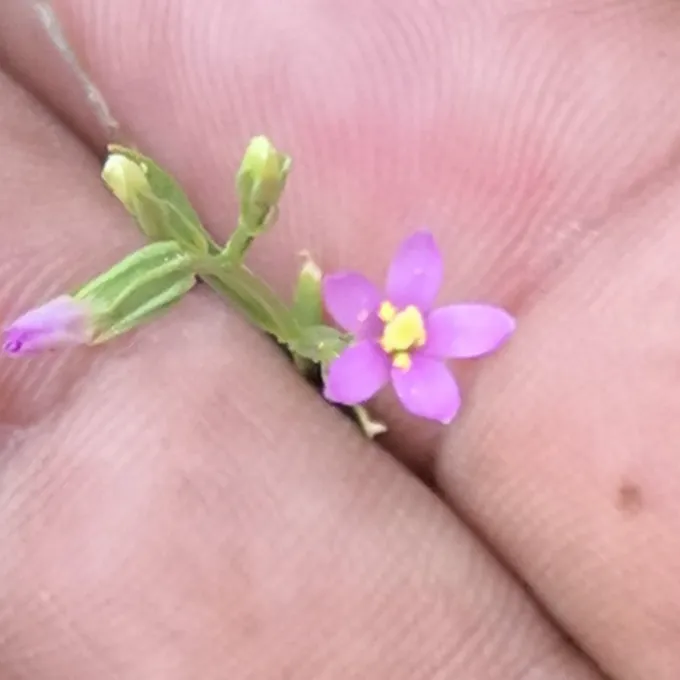
Description
Sowing dates
The sowing of Centaurium quitense should be timed to coincide with the onset of stable warm temperatures. As the seeds are extremely small, they require a shallow planting depth, ideally covered only by a fine dusting of sterile soil or vermiculite.
To improve germination rates, a cold stratification period is recommended prior to sowing. This process mimics the natural environmental conditions that these seeds experience in their native high-altitude habitats.
A seedling tray method is the most reliable approach for establishing a healthy crop. Using a light, well-draining peat-based medium allows for better control over moisture levels during the sensitive early stages of growth.
Once the seedlings have developed two sets of true leaves, they should be hardened off before being transplanted into the main field. This transition phase is critical to ensure the survival of young plants in outdoor conditions.
Proper spacing is essential to reduce the risk of damping-off disease. Providing adequate airflow between plants helps maintain a dry microclimate around the base of the stems, preventing rot.
Growing requirements
Centaurium quitense belongs to the Gentianaceae family and thrives in conditions that mimic its origin in the Andean mountain ecosystems. It requires full sunlight to synthesize its unique phytochemical compounds.
The soil should be gritty and lean, as this plant is adapted to nutrient-poor, rocky substrates. Adding organic amendments is generally discouraged, as they can cause excessive succulent growth that lacks the necessary medicinal properties.
Water management is the most critical factor in the cultivation of this species. While it requires consistent moisture to establish itself, any waterlogging will lead to rapid fungal decay of the root system.
The plant is highly resilient to atmospheric temperature shifts, provided it has excellent soil drainage. In areas with high humidity, elevated growing beds are recommended to prevent moisture buildup around the root zone.
Minimal fertilization is required. If necessary, a balanced, low-concentration liquid mineral feed can be applied during the early vegetative stage to support healthy initial growth without promoting lush, fragile foliage.
Yield
The yield of Centaurium quitense is primarily measured by the dry mass of the harvested aerial parts, specifically during the peak flowering stage. Proper field management can significantly increase the total biomass produced per hectare.
Factors affecting yield include the amount of sunlight received during the vegetative cycle and the absence of weed competition. Dense weed cover can severely reduce the vitality and secondary metabolite concentration of the plants.
Selective harvesting of mature stalks allows the plant to potentially produce secondary growth, though this is dependent on the specific climate and length of the growing season. Early removal of flowers can delay the plant's life cycle but may result in larger biomass production.
Post-harvest processing efficiency also influences the final marketable yield. Proper drying conditions prevent the loss of active ingredients, ensuring that the harvested material maintains high commercial value.
Consistent monitoring and yield recording are essential for optimizing cultivation practices year over year. Adjusting plant spacing based on previous season results often leads to improved field efficiency.
Harvesting
Harvesting is performed at the peak of the blooming phase. This timing ensures the highest concentration of the bitter compounds and other bioactive substances that define the plant's therapeutic profile.
Plants should be harvested by cutting the main stems cleanly, leaving enough of the basal foliage to support the plant if regrowth is intended. Using sharp, sanitized tools is crucial to prevent the entry of pathogens into the wound.
After cutting, the plant material must be dried immediately to preserve its chemical integrity. Air drying in a dark, ventilated environment is the industry standard for medicinal herbs to avoid chemical degradation from light exposure.
Once fully dried, the material is brittle and can be processed into the desired form, typically coarse milling. Proper storage in airtight, light-proof containers is necessary to maintain shelf life.
Quality control during harvest involves inspecting for any discoloration, fungal spots, or contamination with unwanted vegetation, ensuring that the final batch is clean and uniform in quality.