
Centaurium pulchellum
Centaurium pulchellum
Description
Growing requirements
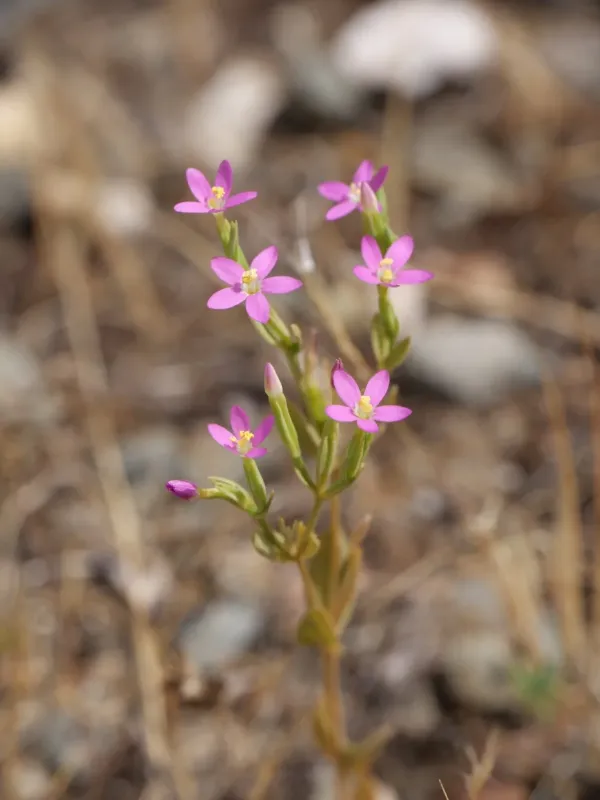
Centaurium pulchellum, commonly known as the lesser centaury, is a member of the Gentianaceae family. It is a delicate annual herb characterized by its small, pink star-shaped flowers and erect, branching stems.
The plant thrives in temperate climates, often found in nature on moist meadows, saline flats, and along the banks of water bodies. It requires significant solar exposure and will not perform well in heavily shaded agricultural environments.
Regarding soil requirements, this crop prefers well-structured, loamy soils that can retain moisture without becoming waterlogged. Neutral to slightly alkaline pH levels are generally considered ideal for its vegetative growth.
The plant demonstrates high adaptability to temperature fluctuations but is sensitive to prolonged drought periods during its initial growth phase. Providing consistent irrigation is crucial during the early stages of development.
Agronomic management includes careful weed control, as the plant does not compete effectively with aggressive meadow weeds. Maintaining clean rows is essential for maximizing the yield and quality of the medicinal biomass.
Harvesting
The harvest period for Centaurium pulchellum is strictly limited to the peak flowering stage. Harvesting at this time ensures the highest possible concentration of medicinal compounds, such as bitter glycosides.
Field operations involve cutting the plants just above the base to allow for efficient handling and processing. Mechanized harvesting requires careful calibration of equipment to avoid damaging the delicate stems.
Post-harvest processing focuses on rapid dehydration. The material is spread out in thin layers within ventilated sheds, ensuring protection from direct sunlight, which could degrade the active ingredients.
Monitoring for moisture levels during storage is a critical aspect of post-harvest care. Excess humidity can trigger fungal growth, which is a significant threat to the shelf life of the final herbal product.
Standard quality control measures include checking for purity, ensuring no foreign organic material is mixed with the harvested herb, and verifying that the final product is thoroughly dried for transport.