
Perennial centaury
Centaurium scilloides
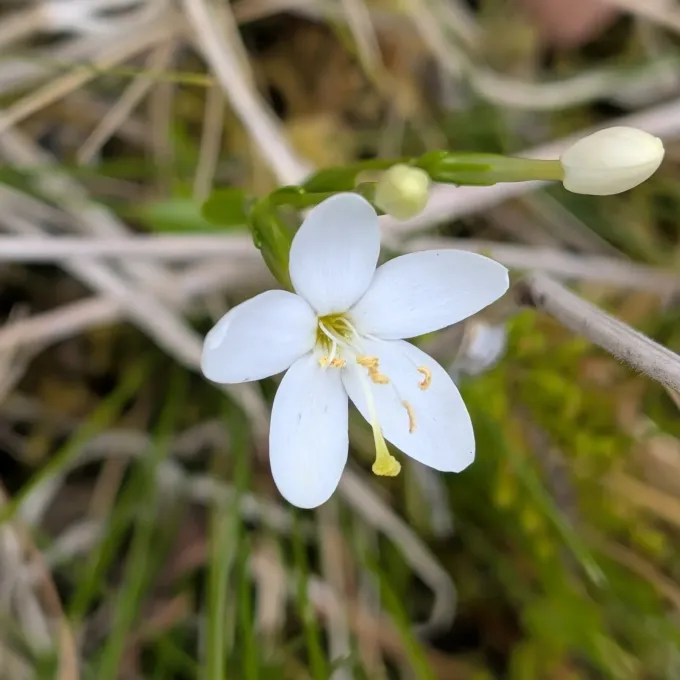
Description
Growing requirements
Perennial centaury (Centaurium scilloides) is a herbaceous plant belonging to the Gentianaceae family. Native to the Atlantic coastal regions of Europe, it is well-adapted to specific maritime environments characterized by high humidity and moderate temperatures.
Botanically, the species is defined by its compact habit, featuring a basal rosette of leaves and slender flowering stems. The plant typically thrives in sandy or rocky soils that offer excellent drainage while retaining enough moisture for constant root hydration.
Cultivation requires strict adherence to environmental parameters. The plant performs best in locations with partial shade, avoiding direct exposure to intense noon heat, which can lead to rapid dehydration of the delicate foliage.
Agronomic management focuses on mimicking its natural habitat. Soil pH should be monitored to ensure it remains within the slightly acidic range preferred by the plant, while fertilizer application must be minimal to avoid over-stimulation of growth at the expense of medicinal quality.
The economic value of this crop is rooted in its phytotherapeutic properties. It is harvested for its bitter compounds, which are widely utilized in traditional medicine to support digestive health and as a tonic for overall wellness.
Main diseases and pests
The primary threats to Centaurium scilloides are fungal pathogens, such as powdery mildew and root rot. These occur predominantly when plants are grown in poorly ventilated areas or subjected to excessive watering without proper soil drainage.
Pests, particularly gastropods like slugs and snails, are significant adversaries of the crop. They frequently feed on the succulent leaves, especially during cool, damp weather, necessitating integrated pest management strategies.
Sap-sucking insects, including aphids, pose a risk by damaging the plant tissue and potentially vectoring pathogens. Regular field inspections are essential to detect early signs of infestation and prevent widespread damage to the crop.
Weed competition is another critical factor. Because perennial centaury is relatively slow-growing, aggressive weeds can quickly shade it out or deplete vital nutrients from the soil, thus requiring manual weeding or mulching techniques.
To ensure crop health, growers should maintain adequate spacing between plants to enhance airflow. Applying a layer of clean gravel or organic mulch around the base can help isolate foliage from the soil, significantly reducing the likelihood of fungal outbreaks.