
Sand hickory
Carya pallida
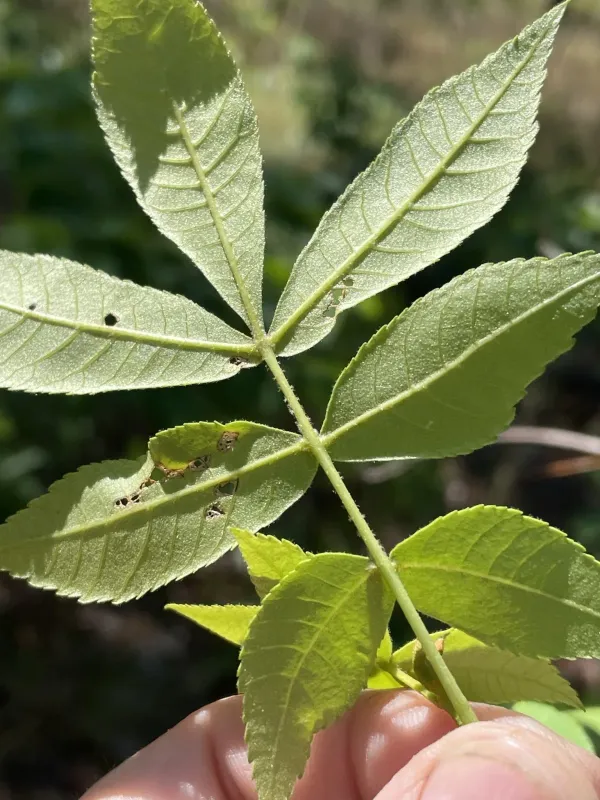
Description
Growing requirements
Sand hickory (Carya pallida) is a species of deciduous tree belonging to the Juglandaceae family, native to the southeastern United States. It is characterized by its adaptability to diverse soil types, thriving specifically in dry, sandy, or rocky habitats where other species might struggle.
The climate requirements for this species include preference for warm temperate zones with sufficient rainfall during the growing season. While it exhibits remarkable drought tolerance once established, consistent soil moisture promotes faster growth and better nut production in young trees.
Soil quality is paramount, as Carya pallida requires deep, well-drained substrate to prevent root rot. It performs best in slightly acidic to neutral soils, avoiding heavy clay textures that inhibit root development and oxygen exchange.
Agricultural management involves careful site selection to ensure maximum sun exposure, which is critical for flower development and subsequent nut yield. Pruning should be kept to a minimum, primarily focusing on removing dead or crossing branches to maintain structural integrity.
Beyond nut production, sand hickory is valued for its dense, high-quality timber. The nuts are a significant food source for wildlife and represent a potential specialty crop for artisanal agriculture, provided that pest management practices are effectively implemented.
Main diseases and pests
The primary pathological threats to sand hickory include fungal pathogens such as leaf spot and powdery mildew, which can significantly defoliate the tree during exceptionally humid or wet seasons.
Nut weevils remain the most significant economic pest, as they target the developing nuts and can destroy a large portion of the crop if not monitored and managed through timely applications or orchard hygiene.
Galls caused by various insects, such as phylloxera, may appear on the foliage. While these rarely kill a mature tree, they can weaken the tree's overall vigor and reduce photosynthetic efficiency.
Environmental stress, particularly prolonged periods of standing water, makes the tree more susceptible to secondary infections and opportunistic wood-boring insects, necessitating proper site drainage.
Implementing an Integrated Pest Management (IPM) program is essential for commercial sand hickory orchards, focusing on both preventative cultural practices and selective interventions to protect the yield.