
Carya lecontei
Carya lecontei
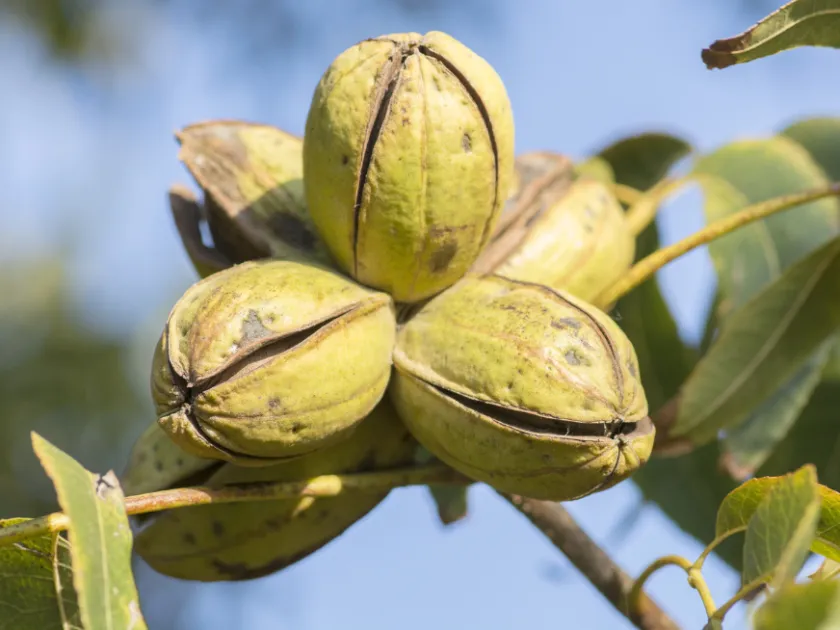
Description
Growing requirements
Carya lecontei, commonly known as LeConte hickory, is a naturally occurring hybrid species belonging to the Juglandaceae family. It is a cross between the pecan (Carya illinoinensis) and the water hickory (Carya aquatica).
The species thrives in moist, riparian habitats, which is directly linked to its genetic inheritance. It prefers deep, nutrient-rich alluvial soils found along river floodplains where moisture is consistently available throughout the growing season.
Climatic requirements involve a long, warm frost-free period, which is essential for the nuts to reach full maturity. The tree demands significant exposure to sunlight and performs best in open locations away from dense canopy competition.
Its natural distribution is primarily found in the southeastern United States, where it is well-adapted to humid, subtropical climates. The tree is notable for its natural tolerance to temporary flooding, an trait inherited from its water hickory parent.
Agricultural management must prioritize soil aeration alongside moisture control. While the tree loves water, stagnant conditions during the dormant season should be avoided to prevent root rot in younger specimens.
Yield
The economic utility of Carya lecontei is somewhat unique; its primary value lies in its genetic contribution to nut breeding programs rather than immediate commercial consumption of its fruit.
The nuts often possess a bitter taste due to tannin concentration, but the species remains a valuable resource for hybridization. Breeders utilize it to introduce hardy genes into pecan cultivars, aimed at improving disease resistance and environmental adaptability.
Beyond nut production, the timber of Carya lecontei is highly regarded for its physical properties. It is extremely strong, dense, and shock-resistant, making it a preferred material for tool handles, furniture, and specialty woodwork.
Yield productivity is moderate and dependent on environmental factors, such as spring rainfall and pollination efficiency. Trees typically begin to produce nuts between 8 to 12 years after planting, requiring long-term planning for orchards.
Modern orchard strategies often involve using this species as rootstock. Grafting high-quality pecan varieties onto Carya lecontei rootstock allows for superior vigor and performance in sites where soil moisture levels fluctuate.
Main diseases and pests
The species is susceptible to various pests, including leaf-feeding caterpillars and nut weevils. Regular visual inspections of the tree canopy are necessary to detect infestations early before they significantly impact tree vitality.
Fungal diseases, such as pecan scab, pose a recurring threat in humid regions. Maintaining proper tree spacing is a key cultural control method that ensures adequate air circulation and reduces leaf wetness duration.
Bacterial leaf spot can also cause premature defoliation, affecting the tree's ability to store energy for the subsequent year's crop. Integrated pest management, including sanitation of leaf litter, is recommended to reduce disease pressure.
Rodent damage to the lower trunk and root collar can be fatal for young saplings. Protective hardware cloth or wire guards are effective in shielding sensitive bark from being girdled by local wildlife populations.
Nutritional deficiencies, particularly regarding zinc, can manifest as rosette symptoms on leaves. Regular soil testing and targeted fertilization are essential to maintain the overall vigor and disease resistance of the trees.