
Scrub hickory
Carya floridana
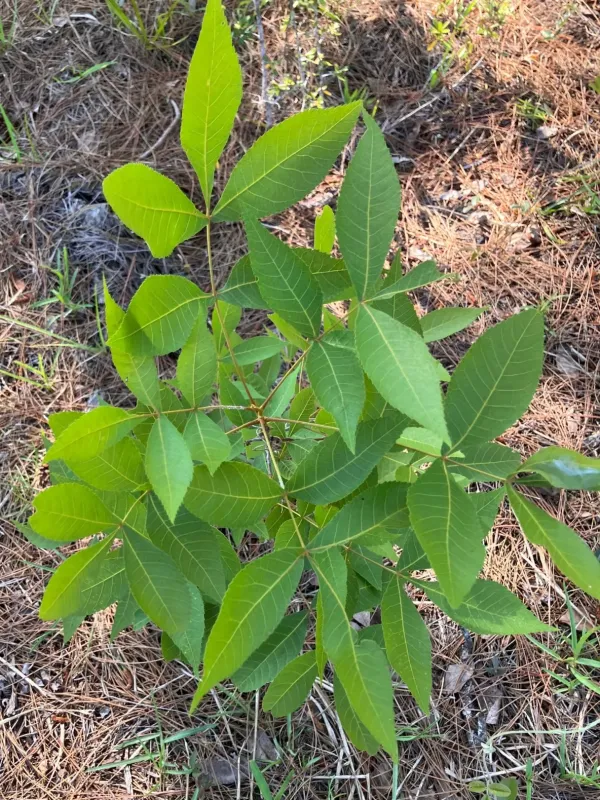
Description
Growing requirements
Scrub hickory (Carya floridana) is a deciduous tree species belonging to the Juglandaceae family. It is endemic to the sand ridges and dry scrub forests of central and southern Florida, USA.
The tree thrives in well-drained, nutrient-poor sandy soils. It exhibits excellent tolerance to drought and is specifically adapted to xeric environments where other woody plants struggle to survive.
Cultivation requires a subtropical climate. The species is highly intolerant of waterlogged soil conditions; therefore, proper drainage and soil aeration are non-negotiable requirements for successful growth.
Botanically, it typically grows as a small to medium-sized tree, ranging from 6 to 15 meters in height, often characterized by multiple stems or a twisted appearance in open areas.
While not a major commercial crop, scrub hickory is highly valued for its ecological role. In an agricultural context, it is studied for its genetic potential in developing drought-resistant rootstocks for other hickory varieties.
Yield
The fruit of Carya floridana is a small nut enclosed in a relatively thin husk. Though smaller than the commercial pecan, the nuts are nutrient-dense and serve as a critical food source for wildlife.
Crop yields vary annually depending on environmental conditions, particularly rainfall patterns during the pollination and fruit-setting stages. The trees follow an irregular bearing cycle typical of many hickory species.
Harvesting usually involves manual collection from the ground. While wild populations are the primary source, small-scale cultivation for local consumption or as an ornamental plant is becoming more recognized.
The potential for high-quality oil extraction is an area of ongoing interest, as hickory oils are known for their healthy lipid profile and stable shelf life.
Future agricultural efforts may focus on selecting genotypes with larger nut size and thinner shells to improve the harvest efficiency and marketability of this unique species.
Main diseases and pests
Habitat loss due to land development and urban expansion remains the most significant threat to wild populations of scrub hickory. Conservation of its native scrub ecosystem is vital for its survival.
Fungal diseases, such as leaf spots, can impact the foliage during periods of excessive humidity. Ensuring proper tree spacing helps maintain airflow and reduces the humidity around the canopy.
Various insect pests, including nut weevils, can significantly reduce yield. Integrated pest management (IPM) strategies, including monitoring and biological control, are essential for maintaining tree health.
Wood decay fungi may invade if the tree suffers mechanical damage. Proper pruning techniques and avoiding unnecessary wounds to the trunk or branches are key to maintaining long-term tree vigor.
As climate patterns shift, fire suppression policies in some areas have led to increased competition from other vegetation, which can shade out the sun-loving scrub hickory seedlings.