
Water hickory
Carya aquatica
Description
Sowing dates
Planting water hickory is traditionally carried out by sowing seeds in the autumn period, immediately after harvest, to ensure natural stratification of the seeds.
The optimal time for sowing is October or November, when soil temperatures begin to decline steadily, preventing premature germination.
For establishing commercial plantations, it is recommended to plant 1–2-year-old saplings, as they possess a more developed root system and establish better.
Site selection for planting requires thorough preparation, including deep plowing and the application of organic fertilizers to stimulate early growth of young trees.
When using seeds, it is necessary to maintain a distance of at least 8–10 meters between rows, as the adult tree has a broad and powerful crown.
Growing requirements
Water hickory belongs to the Juglandaceae family and is a typical representative of the swamp forests of the southeastern United States, preferring moist soils.
The crop is extremely demanding of moisture levels and is capable of withstanding prolonged flooding, which distinguishes it from many other nut species.
The optimal environment for active development is alluvial, organic-rich soils with a neutral or slightly acidic pH level and high fertility.
Climate preferences include a subtropical climate with mild winters and a long, warm growing season necessary for fruit maturation.
The plant is photophilous, so plantations must not experience competition for sunlight, otherwise the productivity of the tree decreases sharply.
Yield
The yield of water hickory directly depends on the age of the tree and growing conditions, with fruit-bearing beginning on average 10–15 years after planting.
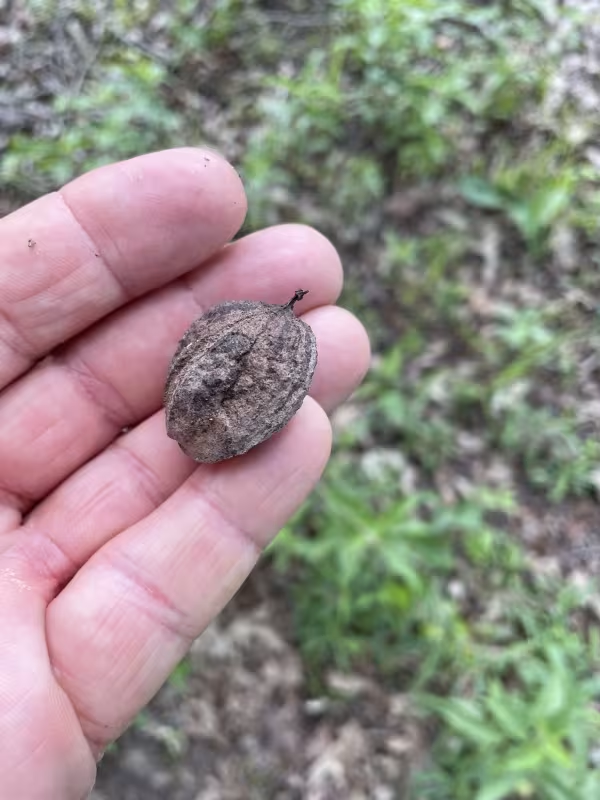
The fruits of this crop are small nuts with a rather hard shell and a bitter kernel, which limits their use in the food industry.
The primary economic value of water hickory is linked not to food production but to the extraction of high-quality timber valued in woodworking.
In its natural habitat, populations of this tree show stable seed production, ensuring the natural regeneration of forest areas.
Commercial cultivation is often aimed at using the tree as rootstock for more valuable pecan varieties (Carya illinoinensis) due to its high resistance to waterlogging.
Main diseases and pests
Major biological threats to the crop include fungal diseases such as pecan scab, which affects leaves and young shoots in high humidity conditions.
Pests, including weevils and the hickory shuckworm, can significantly reduce yield quality by damaging fruits during the kernel formation stage.
During dry periods, young trees become vulnerable to wood-boring pests that can weaken the plant's immune system.
Improper drainage, despite tolerance to flooding, can lead to the development of root rots in stagnant, oxygen-deprived environments.
- Pecan scab (Fusicladium effusum)
- Hickory shuckworm (Cydia caryana)
- Wood-boring pests
- Fungal leaf diseases
Harvesting
Harvesting occurs in the autumn when the fruits acquire a characteristic dark brown color and begin to fall from the tree branches spontaneously.
For mechanized harvesting, vibration systems are used to shake the nuts from the crown onto pre-prepared nets or sheets.
After harvesting, the fruits must be cleaned of the husk, which may contain tannins, and subjected to thorough drying to prevent molding.
Storing the collected material requires facilities with controlled humidity levels to avoid spoilage or loss of timber quality if intended for sale.
The primary processing must be completed as soon as possible, as high environmental humidity promotes the rapid development of mold fungi.