
Bitternut hickory
Carya cordiformis
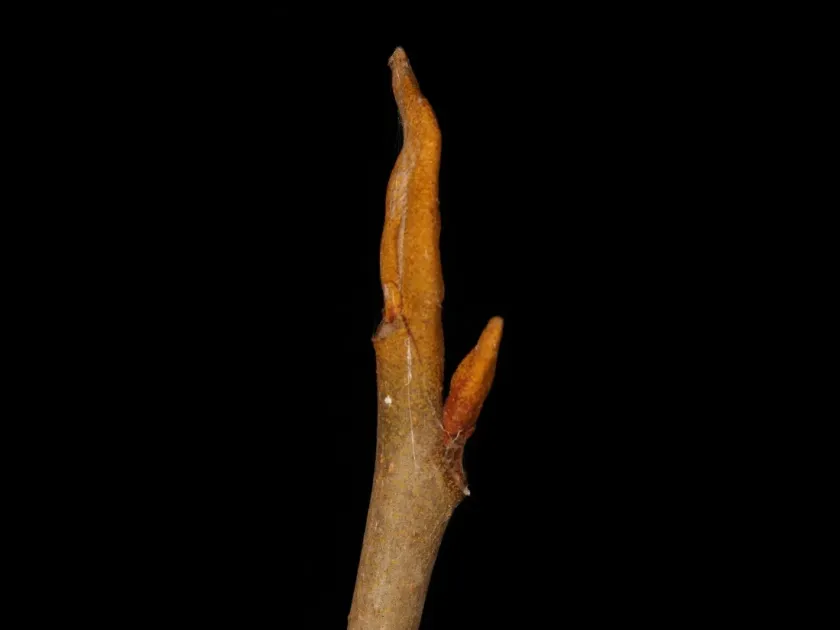
Description
Growing requirements
Bitternut hickory (Carya cordiformis) is a deciduous tree belonging to the Juglandaceae family. Known for its distinctively bitter-tasting nuts, it is highly valued for its cold tolerance and adaptability to various soil conditions within its native range.
The tree requires deep, moist, and fertile soils to thrive. It is commonly found in riparian areas, suggesting a preference for consistent moisture levels, though it cannot survive in stagnant or waterlogged conditions.
Bitternut hickory performs best in slightly acidic to neutral soils. It is less tolerant of high-pH, alkaline conditions, which can lead to micronutrient deficiencies and stunted development in the tree foliage.
Young trees prefer moderate sunlight, but as they reach maturity, they require full sun exposure to maintain vigorous growth. Planting in open spaces ensures that the canopy can spread adequately.
Successful establishment relies on deep root system development. Therefore, the planting site should be free of restrictive layers or hardpans that could hinder the taproot, which is characteristic of the genus Carya.
Yield
The nuts of Carya cordiformis are generally considered inedible due to their bitter tannins. They are small with thin shells, making them a significant food source for wildlife rather than for human consumption.
In agriculture, the primary utility of Bitternut hickory is its role as a cold-hardy rootstock for commercial pecan production. It allows growers to expand the range of Carya illinoinensis into colder zones.
The wood of this species is highly regarded for its physical properties. It is exceptionally hard, heavy, and shock-resistant, making it an ideal choice for manufacturing tool handles, athletic equipment, and high-quality flooring.
From a forestry perspective, the tree is a valuable asset in reforestation projects. It contributes to soil stability, particularly in areas prone to erosion, thanks to its extensive and deep root architecture.
Reproductive maturity is slow, with the first substantial nut crops usually appearing after the first decade of growth. Yield consistency is dependent on adequate water supply and protection from adverse spring frost events.
Main diseases and pests
Leaf spot diseases, caused by various fungi, are the most frequent health issues. Improving air circulation through proper spacing and pruning helps to minimize the risk of infection in dense plantation blocks.
Insect pests, specifically nut weevils, can significantly reduce seed production if not managed. Integrated pest management strategies are often employed to monitor and control populations during the peak season.
Bacterial blight can occasionally affect young shoots during periods of high humidity and rainfall. Sanitary practices, such as removing affected tissues, are essential to prevent the spread of the pathogen.
Voles and other small mammals may pose a threat to the bark of young trees during winter. Implementing physical barriers around the base of the trunk can prevent severe damage and ensure tree survival.
Competition from weeds and invasive plants is a major challenge during the first several years after planting. Providing weed-free zones around the trees is crucial for maximizing their growth rate and vigor.