
Carya ovalis
Carya ovalis
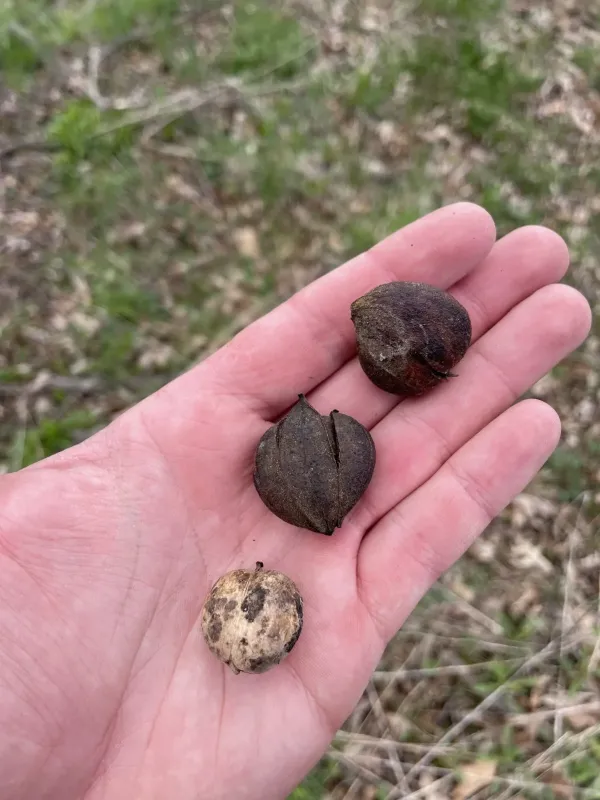
Description
Growing requirements
Carya ovalis, commonly known as the sweet pignut hickory, is a deciduous tree belonging to the Juglandaceae family. Native to the eastern United States, it is widely adapted to dry upland sites, ridges, and slopes, distinguishing itself from other hickory species that prefer more moisture-laden valley soils.
The tree thrives in well-drained, deep, and fertile soils. While it exhibits a remarkable tolerance for dry spells once established, consistent soil moisture during the spring and early summer is essential to maximize nut development and overall tree vigor.
Climatically, the species requires a sufficiently long growing season to allow the nuts to reach full maturity before the first autumn frosts. It is hardy in temperate climates, though young specimens may require protection from late spring frost events to prevent damage to emerging foliage.
Light requirements for Carya ovalis are high. Providing a site with full sun exposure is critical, as shading from neighboring trees will negatively influence crown architecture and significantly reduce annual fruit yields.
Standard cultivation practices include site preparation with adequate clearing of competitive vegetation. While the tree is generally low-maintenance, supplemental irrigation and mulching around the root zone during the establishment phase will foster faster growth and better resistance to environmental stresses.
Main diseases and pests
The primary pathogenic threat to Carya ovalis includes various fungal leaf spots and scab, which flourish during periods of prolonged high humidity. Improving air circulation through proper pruning techniques is the most effective cultural method to mitigate these outbreaks.
Insect pests, such as the hickory nut weevil and various species of aphids, can significantly impact harvest quality. Integrated pest management strategies, focusing on early detection and targeted treatments, are recommended for maintaining healthy orchards.
Larval stages of certain moth species can bore into the developing husks, causing premature fruit drop. Sanitation measures, such as the prompt removal and destruction of fallen nuts, are vital to disrupt the lifecycle of these pests within the orchard environment.
Nutrient deficiencies, particularly regarding trace minerals like zinc, can result in stunted leaf growth and chlorosis. Foliar analysis should be conducted periodically to ensure that soil fertilization programs adequately meet the specific nutritional demands of the trees.
Root rot diseases are occasionally problematic in areas where soil drainage is poor. Ensuring that the planting site has good internal soil drainage is the most effective preventive measure against such soil-borne pathogens that thrive in waterlogged conditions.