
Nutmeg hickory
Carya myristiciformis
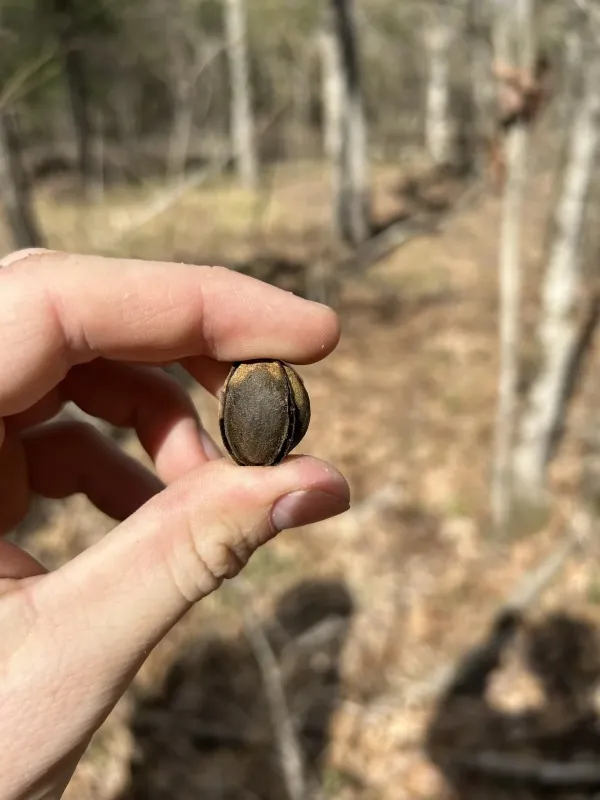
Description
Growing requirements
The nutmeg hickory (Carya myristiciformis) is a distinctive species within the Juglandaceae family, native to the humid forests of the southeastern United States. It is known for its small, hard-shelled nuts that bear a striking resemblance to nutmeg, leading to its common name.
The tree thrives in moist, well-drained alluvial soils and is typically found in bottomlands where moisture is consistently available. For cultivation, it is essential to replicate these conditions by selecting sites with high soil fertility and effective drainage systems to prevent waterlogging.
Agronomic management of the species requires a commitment to long-term care due to its relatively slow initial growth rate. Producers should focus on maintaining adequate soil moisture levels and ensuring the trees have sufficient space to develop their broad canopy, which is vital for optimal nut production.
Environmental conditions play a crucial role in its development; the nutmeg hickory requires a warm, temperate climate with sufficient annual rainfall. Exposure to full sun is ideal for mature trees, although they can tolerate partial shade during their early establishment years in the nursery or orchard.
The economic value of this culture includes both its durable, high-quality timber and its edible nuts, which have a unique nutty flavor. As interest in native nut species grows, the nutmeg hickory presents an interesting opportunity for diversification in forest farming and sustainable agroforestry projects.
Main diseases and pests
The nutmeg hickory is susceptible to several fungal diseases, particularly those that thrive in humid environments. Anthracnose and various leaf spot pathogens are common concerns that can reduce photosynthetic capacity and overall tree vigor.
Pest pressure often comes from insects like the hickory nut weevil and various types of aphids. These pests can significantly impact the quality of the nut harvest if left unmanaged during the critical fruit-filling stages.
Effective management includes maintaining tree hygiene, which involves clearing debris from the base of the tree and pruning away dead or diseased wood to enhance airflow within the canopy.
Biological controls and targeted use of organic-approved pesticides can help maintain population levels of beneficial insects, reducing the need for broad-spectrum chemical interventions.
Abiotic stress factors, such as extreme weather events like late spring frosts, can damage sensitive reproductive buds, making site selection based on topography and microclimate data essential for successful production.