
Carya leiodermis
Carya leiodermis
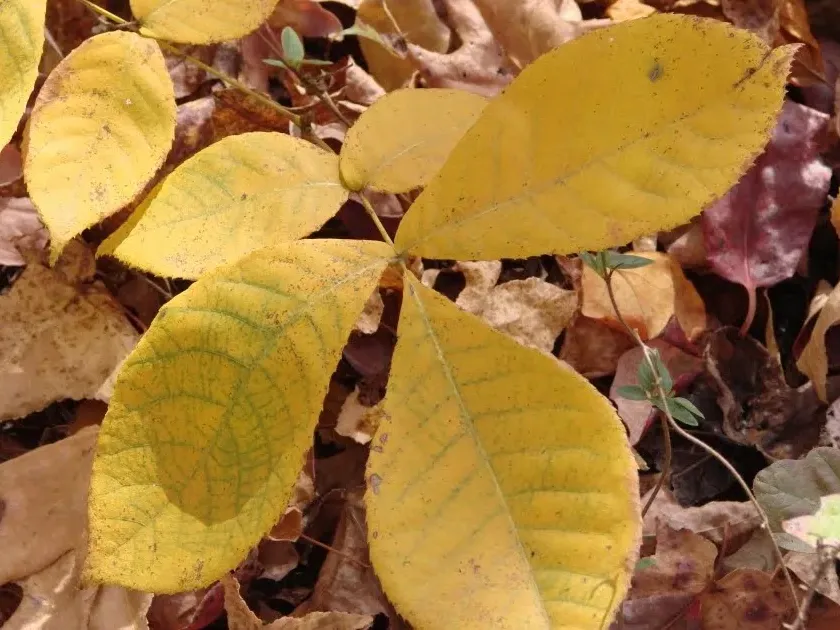
Description
Growing requirements
Carya leiodermis, commonly known as the smoothbark hickory, is a botanical species belonging to the Juglandaceae family. This tree species is highly valued for its wood and potential for nut production in specific climate zones.
It thrives in humid, temperate to subtropical climates. The species requires consistent moisture levels throughout the growing season and is sensitive to prolonged periods of drought, which can significantly stunt its growth.
The ideal soil conditions for this culture involve deep, well-drained, nutrient-rich alluvial soils. It does not tolerate compacted soils or environments prone to waterlogging, as these conditions inhibit root respiration.
The cultural site must have ample sunlight exposure to ensure proper canopy development and photosynthesis. Shaded areas result in reduced vigor and poor yield, making site selection a critical factor for plantation establishment.
Regular fertilization programs are recommended to sustain tree vigor, particularly during the first years after planting. Nutrients should be balanced to support both vegetative growth and reproductive development.
Main diseases and pests
Fungal pathogens represent the most significant threat to Carya leiodermis. Leaf spot diseases often proliferate during seasons with high humidity, leading to premature defoliation and reduced tree energy.
Insect pests, including various species of aphids and nut weevils, pose risks to both the aesthetic quality and the marketable yield of the nuts. Early detection through regular scouting is essential for effective management.
To mitigate the impact of pests, integrated pest management (IPM) strategies are employed. These include the use of beneficial insects and the careful application of targeted pesticides to preserve the surrounding ecosystem.
Canker diseases can affect the trunk and branches, often entering through wounds. Proper sanitation during pruning and the use of clean tools are necessary practices to prevent the transmission of these dangerous pathogens.
Maintaining tree health through proper irrigation and nutrition is the first line of defense against most biological threats. Stressed trees are significantly more susceptible to both insect attacks and fungal infections.