
Pignut hickory
Carya glabra (Mill.) Sweet
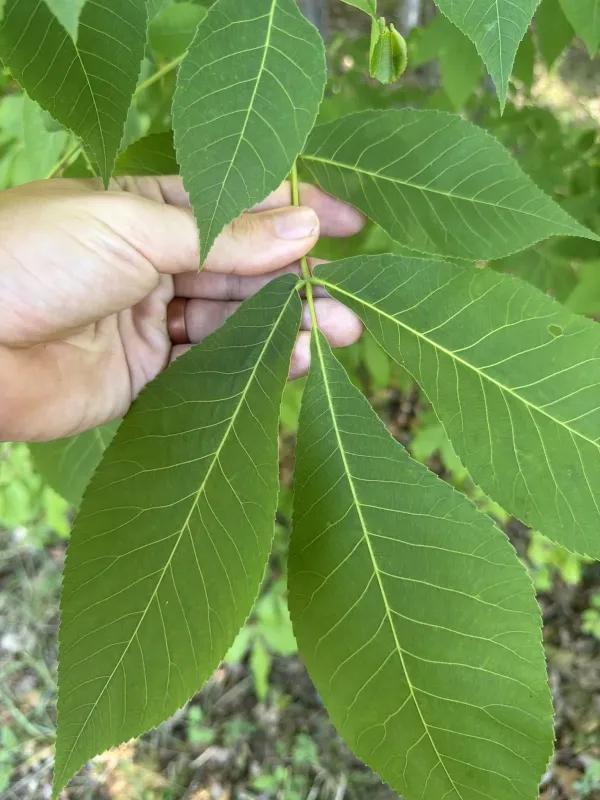
Description
Growing requirements
Pignut hickory (Carya glabra) is a prominent member of the Juglandaceae family. It is a deciduous, hardwood tree species known for its hard, dense wood and deep taproot system, which contributes to its long lifespan and environmental stability.
Native to eastern North America, this species thrives in diverse forest settings. It is well-adapted to temperate climates, showing significant resilience to variations in temperature and moderate seasonal fluctuations in precipitation.
Regarding soil requirements, the Pignut hickory prefers deep, moist, well-drained loamy soils. While it can survive on drier ridges, optimal growth rates are achieved in soils with high organic matter and proper moisture retention.
The tree requires significant sunlight to develop a healthy canopy. In an agricultural or forestry setting, proper spacing is essential to prevent overcrowding and ensure that each tree receives adequate solar radiation.
Economically, Carya glabra is highly valued in the timber industry for its wood, which is utilized for tool handles, furniture, and flooring. Its nuts are a vital food source for local wildlife, contributing to the biodiversity of the ecosystem.
Main diseases and pests
Common health issues include fungal diseases such as leaf spot and anthracnose. These are primarily managed through good site selection and maintaining adequate air circulation within the tree plantation.
Insect pests, including the hickory nut weevil, can cause significant damage to fruit production. Monitoring populations during the development phase is a standard practice for maintaining yield quality.
Boring insects represent a specific threat to trees that have been weakened by drought or mechanical injury. Maintaining tree vigor through proper site management is the best defense against these pests.
- Regular pruning of dead or diseased branches.
- Clearing debris from the base of trees.
- Monitoring for early symptoms of infestation.
Strict adherence to integrated pest management (IPM) strategies ensures that the ecological balance is maintained while protecting the commercial value of the hardwood timber.