
Pecan
Carya illinoinensis (Wangenh.) C. Koch
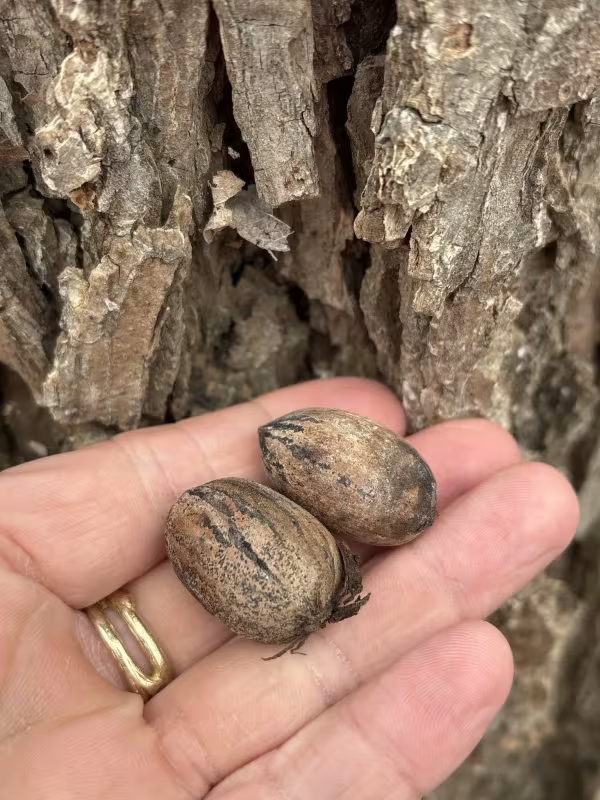
Description
Growing requirements
Pecan (Carya illinoinensis) is a commercially significant species within the Juglandaceae family. This large deciduous tree is renowned for its vigorous growth, deep taproot system, and longevity, making it a staple crop in many warm-climate regions globally.
The species is native to North America, originally growing in river bottomlands. It has been cultivated extensively across the Southern United States, Mexico, and other subtropical areas that provide the necessary thermal conditions for successful nut development.
Climatically, pecans require long, hot growing seasons to mature their nuts effectively. They thrive best in deep, fertile, well-drained alluvial soils that provide sufficient moisture and aeration to sustain their massive root systems over decades of production.
Agronomic management involves rigorous irrigation scheduling, as water stress during the nut-filling stage can severely reduce yield and quality. Proper orchard spacing is also essential to manage light penetration and air circulation, which are critical for long-term health.
Economically, pecans are valued for their rich, buttery kernels used in various culinary applications. Beyond the food industry, the wood of Carya illinoinensis is highly sought after for fine furniture manufacturing and high-quality flooring due to its durability.
Main diseases and pests
Pecan scab (Venturia effusa) represents the most significant fungal threat, particularly in humid climates. Management programs typically include scheduled fungicide applications and canopy pruning to ensure rapid drying of foliage and fruits after rain events.
Insect pests, including the pecan nut casebearer and the pecan weevil, pose severe risks by targeting the fruit directly. Controlling these populations requires an integrated pest management approach involving regular scouting and the use of targeted biological or chemical controls.
Aphid infestations are another concern, as they can cause significant tree stress and promote sooty mold growth on leaves. Monitoring for natural predators, such as lady beetles, helps balance the ecosystem within the orchard and reduces the need for synthetic pesticides.
Orchard sanitation is a cornerstone of disease control. Removing and destroying infested plant material, including fallen leaves and mummified nuts, significantly lowers the potential for overwintering pathogens to reinfect the orchard in the following spring.
Modern pecan production increasingly utilizes resistant cultivars as a primary strategy for disease management. Selecting genetics suited to the local climate reduces chemical inputs and ensures greater stability in annual nut production.