
Carlowrightia torreyana
Carlowrightia torreyana
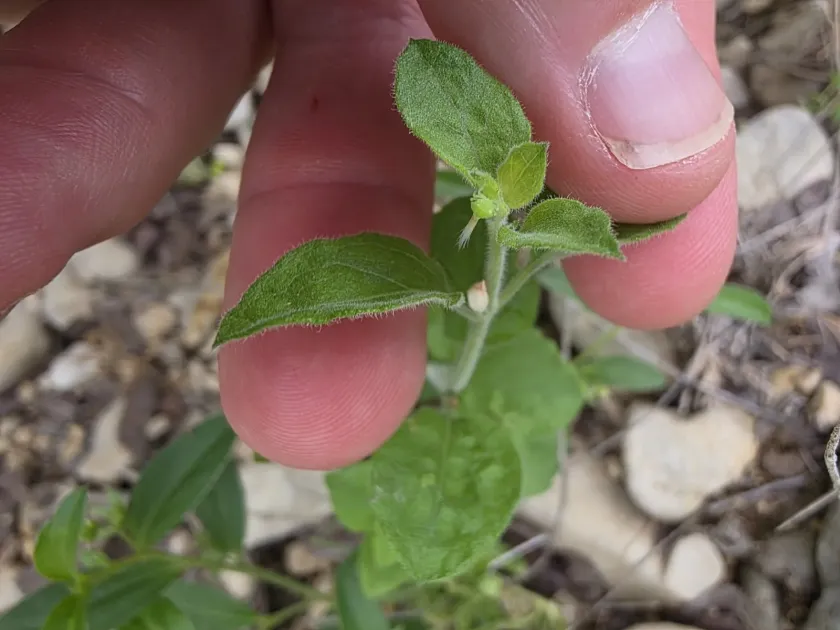
Description
Growing requirements
Carlowrightia torreyana is a perennial shrub belonging to the Acanthaceae family. It is native to the arid and semi-arid regions of the southwestern United States and Mexico, demonstrating remarkable adaptation to harsh environments.
The plant thrives in rocky soils, alluvial fans, and desert scrub habitats. Its biological structure is optimized for high-temperature tolerance and low water availability, making it a candidate for xeriscaping.
Regarding soil requirements, it necessitates extremely well-draining media. Heavy, compacted soils are detrimental to its health; therefore, coarse sand or gravel-based substrates are required for optimal development.
This species requires full solar exposure to maintain its compact growth habit and consistent flowering cycle. Inadequate light levels can result in etiolation and significantly reduced vigor.
The plant exhibits drought-deciduous or semi-evergreen characteristics depending on annual moisture patterns, effectively managing its energy resources during the most severe seasonal droughts.
Main diseases and pests
The primary threat to Carlowrightia torreyana in cultivation is root-zone pathogens, specifically Phytophthora species, which thrive if the drainage system fails to function properly.
Pest pressure is generally low due to the plant's natural habitat, but spider mites can become an issue during periods of extreme heat and low atmospheric humidity.
Aphids may occasionally colonize tender shoot tips during the spring flush. While usually not fatal, heavy infestations can reduce the aesthetic and reproductive success of the plant.
The use of overhead irrigation is strictly discouraged as it creates a favorable environment for foliar diseases. Drip irrigation or subsurface moisture management is preferred.
Winter moisture management is also critical. Ensuring that the crown of the plant does not remain saturated during dormancy is the most effective way to prevent plant loss.