
Texas tubetongue
Carlowrightia texana
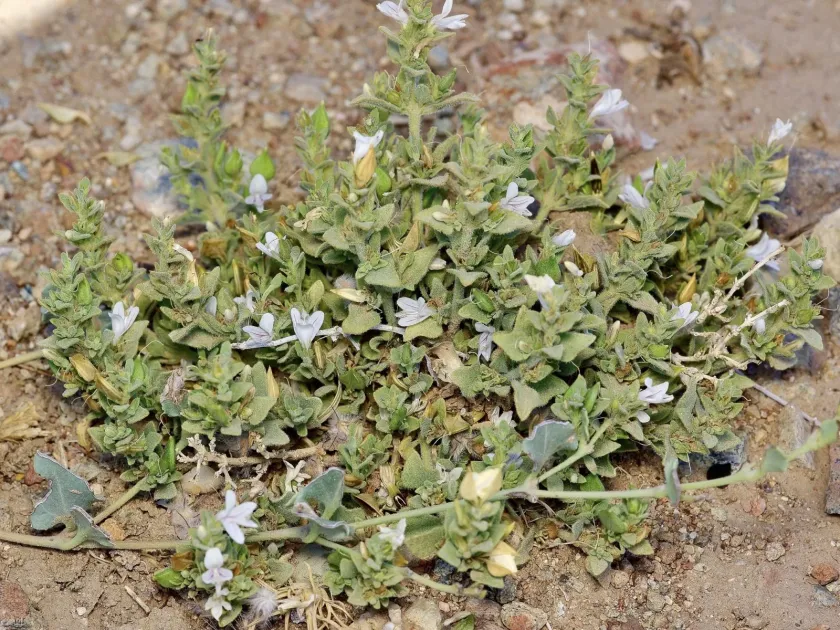
Description
Growing requirements
Texas tubetongue (Carlowrightia texana) is a perennial subshrub belonging to the Acanthaceae family. It is native to the arid environments of Texas and northern Mexico, where it grows in rocky and sandy soils.
As a true xerophyte, this plant is remarkably adapted to high temperatures and prolonged dry periods. Its biological structure allows for high water-use efficiency, making it suitable for sustainable landscape projects.
Soil requirements focus on exceptional drainage. The plant thrives in limestone-based, rocky, or gravelly substrates, where roots can penetrate deeply without the risk of water stagnation.
Full sun is a prerequisite for the healthy development of this species. In cultivation, it performs best when placed in areas with no overhead competition, allowing it to maintain its compact and intricate branching habit.
Maintenance is low-input. Aside from initial watering during establishment, the plant requires little supplemental care. In garden settings, pruning after the main bloom can encourage a more dense and attractive growth habit.
Main diseases and pests
Root rot is the most significant threat to Texas tubetongue. It is typically caused by poorly drained soils or excessive irrigation during the dormant season, which rapidly weakens the root structure.
Aphids and spider mites are common pests that may infest the foliage, particularly during dry, hot spells. Regular monitoring of the underside of leaves is recommended for early detection.
Fungal leaf spots can occur under conditions of poor ventilation and high humidity. Improving airflow around the plants and ensuring the foliage stays dry is essential for disease prevention.
Deer and other herbivores generally avoid the plant, but young seedlings can be vulnerable to trampling or browsing if not protected in open landscape designs.
Invasive weeds can easily overwhelm young plants. Maintaining a clean cultivation area through careful hand-weeding or the use of inorganic mulch helps ensure the crop thrives without undue competition.