
Carlowrightia parviflora
Carlowrightia parviflora
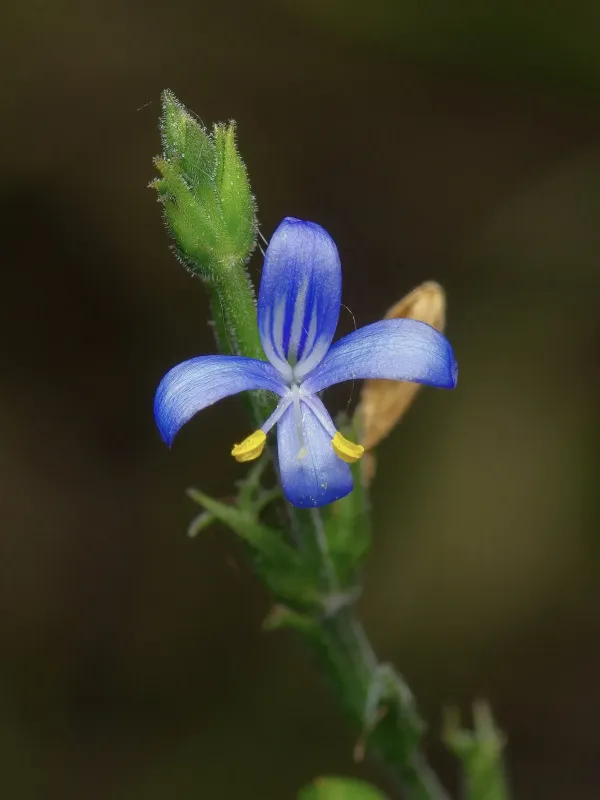
Description
Growing requirements
Carlowrightia parviflora is a perennial species belonging to the Acanthaceae family. Native to the arid regions of North America, particularly Mexico and parts of the southwestern United States, it is a hardy plant adapted to survival in nutrient-poor environments.
The botanical structure of the plant consists of slender, semi-woody stems and small, distinctive flowers. It is widely recognized for its xerophytic properties, allowing it to thrive in locations where other agricultural crops would fail due to water scarcity or high heat.
For cultivation purposes, the soil requirements are strictly oriented towards excellent drainage. The plant performs best in sandy, loamy, or rocky soils. It is critical to avoid heavy clay soils, as moisture retention in the root zone is the primary cause of decline for this species.
In terms of climatic conditions, Carlowrightia parviflora requires high exposure to sunlight. It is a thermophilic plant that utilizes the full spectrum of solar radiation to maintain its metabolic processes, making it highly unsuitable for shaded or humid agricultural environments.
Agronomic management is minimal, focusing mainly on soil preparation and site selection. Because it is highly adapted to low-input systems, synthetic fertilizer application is typically unnecessary and may even be counterproductive to the plant's health and natural flowering patterns.