
Carlowrightia parvifolia
Carlowrightia parvifolia
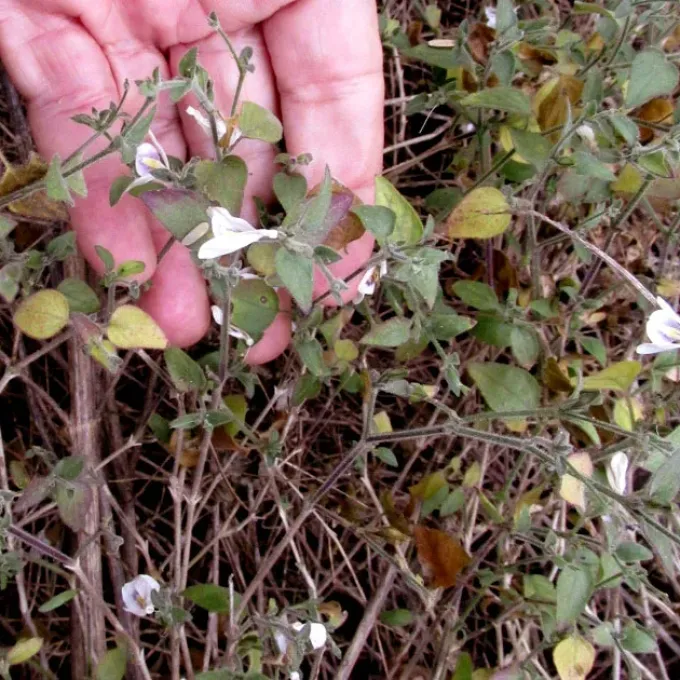
Description
Sowing dates
Carlowrightia parvifolia is a perennial plant belonging to the Acanthaceae family, known for its adaptability to arid environments.
Sowing should take place in early spring once soil temperatures have reached an adequate level to support rapid seed germination.
The seeds require well-prepared seedbeds, ideally with a light, friable texture that allows for proper root development.
Mechanical sowing is feasible, provided that row spacing is set to accommodate the growth habits and branching patterns of the plant.
Thinning the seedlings is a recommended practice to ensure that each individual plant has sufficient space to grow without excessive competition.
Growing requirements
This species is native to dry habitats in North America, thriving in regions characterized by high heat and minimal annual precipitation.
Full solar exposure is critical for the healthy development of Carlowrightia, as shade often leads to stunted growth and reduced biomass.
The plant demonstrates a strong preference for well-drained, sandy, or rocky soils, avoiding areas where stagnant water accumulates.
Its drought tolerance makes it a valuable candidate for land reclamation and sustainable agriculture in arid and semi-arid climates.
Soil pH should ideally be neutral to slightly alkaline, which matches the natural chemical conditions of its native habitats.
Yield
The primary agricultural utility of Carlowrightia parvifolia is the production of green biomass for livestock feed in drought-prone zones.
Annual yields vary depending on the local climatic conditions, specifically the amount of sunlight and the available soil moisture profile.
Regrowth capacity is a notable trait, allowing farmers to perform multiple harvests throughout the growing season if managed properly.
Integrating this plant into pasture systems can significantly improve the available forage quality during periods of heat stress.
Ongoing research focuses on optimizing its cultivation to maximize the yield of nutritional foliage per hectare.
Main diseases and pests
The most significant threat to Carlowrightia parvifolia is the incidence of root rot, which typically occurs in waterlogged conditions.
Insects, such as leaf-eating beetles, may occasionally cause damage, requiring monitoring during the peak growth months.
Good agricultural practices, such as maintaining soil health and preventing compaction, are the primary defenses against disease.
Chemical intervention should be approached with caution, as the plant may be sensitive to certain conventional herbicide formulations.
- Risk of fungal infections in damp soils
- Potential leaf damage from local pests
- Competition from invasive weeds
Harvesting
Harvesting for forage is best scheduled during the active growth phase, coinciding with the early flowering period for optimal nutrition.
Mechanical mowing should be performed at a height that preserves the basal nodes, facilitating rapid recovery for subsequent harvests.
Post-harvest processing involves rapid drying to maintain the quality of the biomass and prevent the development of harmful molds.
Seed collection requires waiting until the seed pods are fully mature and dry, ensuring high viability for the following planting cycle.
Storage facilities must be dry and well-ventilated to preserve the chemical integrity and feeding value of the harvested plant material.