
Carlowrightia serpyllifolia
Carlowrightia serpyllifolia
Description
Growing requirements
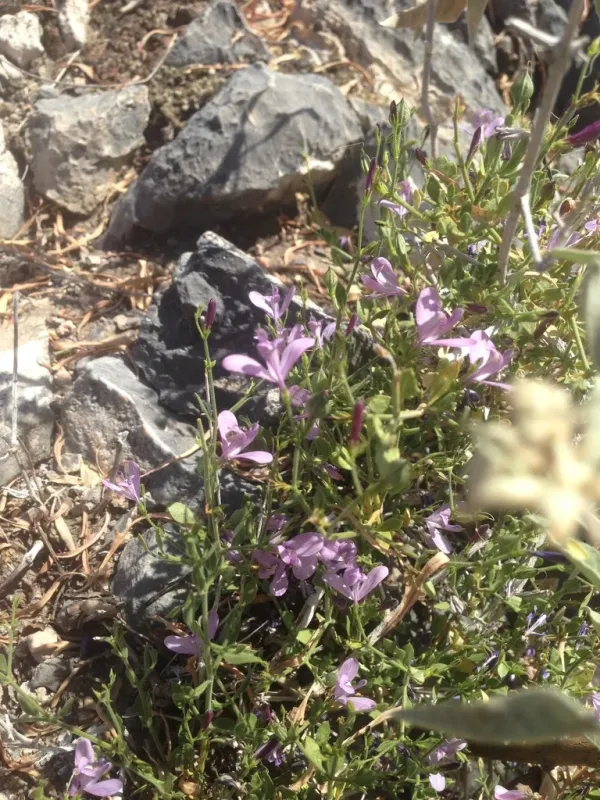
Carlowrightia serpyllifolia is a perennial subshrub belonging to the Acanthaceae family. This species is highly specialized for thriving in arid and semi-arid environments typical of the Southwestern United States and Northern Mexico.
The plant features a compact growth habit with small, resilient leaves designed to minimize water loss. Its root system is adapted to penetrate rocky, mineral-rich soils that provide excellent drainage, a necessity for its survival.
For cultivation, the plant requires full sun exposure to maintain its health and vigor. It performs poorly in shaded environments, which often lead to etiolation and increased susceptibility to various pathogens.
Soil requirements focus on alkalinity and high permeability. Heavy clay soils must be amended with grit or perlite to avoid root rot, as the species cannot tolerate prolonged periods of saturated soil.
Minimal irrigation is required once the plant is established. It is an excellent candidate for xeriscaping projects where water conservation is a priority in agricultural or landscape management.
Main diseases and pests
The primary threat to this plant is root rot, typically caused by Phytophthora or Pythium species. These fungi thrive in wet, poorly ventilated soils and can quickly compromise the plant's vascular system.
Spider mites represent the most common pest pressure, especially during high-temperature periods. Their feeding causes stippling on the leaves, which can reduce the overall photosynthetic capacity of the subshrub.
Mealybugs are another potential pest, often found hiding in the leaf axils. Infestations should be managed promptly to prevent the spread of sooty mold, which can develop on the honeydew secreted by these insects.
Nutrient deficiencies may occur if the soil pH is not maintained at the appropriate alkaline level. Yellowing of older leaves often signals poor soil nutrient availability or an imbalance caused by incorrect watering habits.
Integrated pest management (IPM) is the recommended approach for maintaining healthy stands. This includes maintaining optimal moisture levels, ensuring proper air circulation, and monitoring for early pest colonization.