
Carlowrightia arizonica
Carlowrightia arizonica
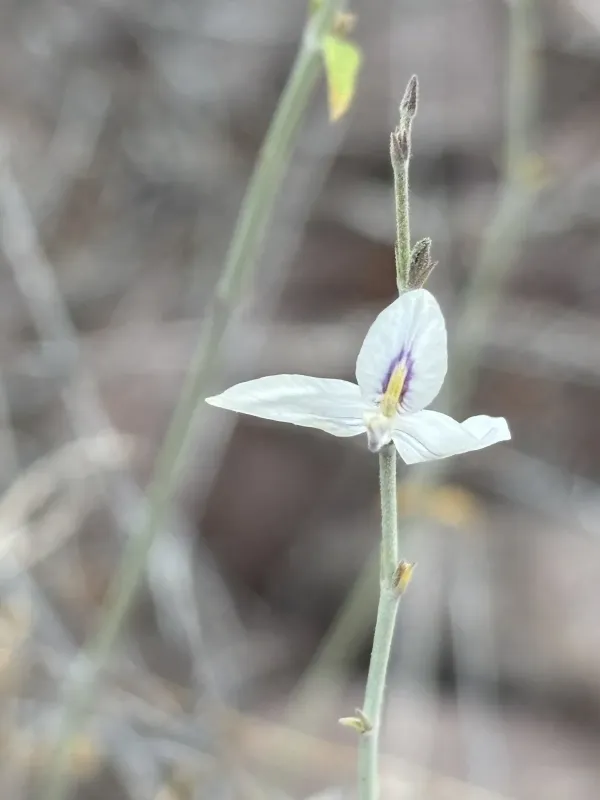
Description
Sowing dates
Sowing seeds of Carlowrightia arizonica is best performed in the spring when temperatures are consistently warm. The seeds are typically sown in a light, well-draining seed-starting mix to prevent damping off.
Seeds should be covered very lightly with soil, as they require a certain amount of light to trigger germination effectively. Keeping the medium lightly moist is essential until seedlings emerge.
Once seedlings develop their first set of true leaves, they can be transplanted into larger containers to develop a robust root system. Care should be taken to minimize root disturbance during this process.
Hardening off the plants before placing them into their permanent outdoor location helps the crop adjust to the intensity of direct solar radiation. This transition period lasts about one to two weeks.
Optimal spacing in garden beds is crucial for healthy development, allowing each individual plant to establish its root zone without excessive competition for water and nutrients.
Growing requirements
Carlowrightia arizonica belongs to the Acanthaceae family and is native to the southwestern United States and northern Mexico. It is a hardy, drought-tolerant species suited for xeriscaping.
The plant thrives in full sun exposure. It requires at least six to eight hours of direct sunlight daily to maintain its compact growth form and to ensure prolific floral displays throughout the season.
Soil quality should lean toward poor and rocky textures rather than rich, loamy soils. Drainage is the single most important factor, as the species is highly intolerant of saturated soil conditions.
Water requirements are relatively low once the plant is established. Deep, infrequent irrigation encourages the development of a deeper root system, which increases the plant's natural resilience to drought.
Temperature tolerance is high in hot conditions, while moderate protection may be necessary if the species is introduced to climates with frequent, severe frost events during the winter season.
Main diseases and pests
The most significant threat to this crop is root rot caused by poor soil drainage and excessive irrigation. Prevention involves monitoring soil moisture and avoiding waterlogged conditions.
Spider mites are potential pests, particularly during hot, dry summer months. Their presence can be identified by fine webbing on the undersides of the leaves and yellowing foliage.
Aphids can sometimes infest the fresh, soft growth of the plant. Natural predators or mild insecticidal soaps are usually effective in controlling minor outbreaks without damaging the plant tissue.
Fungal issues such as powdery mildew can occasionally occur if there is insufficient air movement around the foliage. Proper spacing and pruning prevent stagnant air zones within the plant canopy.
Regular monitoring of the root zone and leaf surfaces ensures early detection of potential threats, allowing for targeted intervention before the plant's health is significantly compromised.