
Carlowrightia linearifolia
Carlowrightia linearifolia
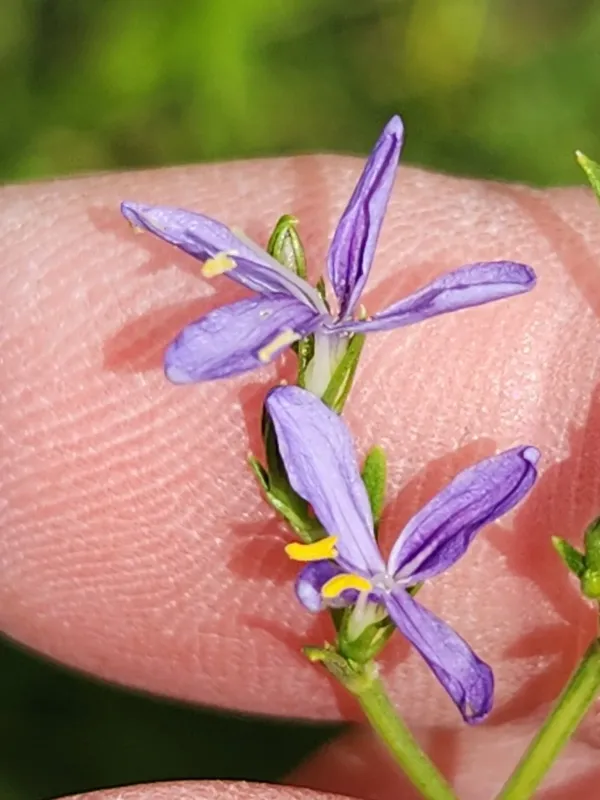
Description
Sowing dates
Seeds of Carlowrightia linearifolia are typically sown in early spring when temperatures consistently reach above 20 degrees Celsius.
The planting medium should be sandy and extremely well-draining to mimic the natural arid habitat of the species.
Shallow sowing is recommended, as the seeds need a small amount of light to trigger germination process effectively.
In commercial nurseries, seeds are started in deep pots to accommodate the initial taproot growth before transplanting.
Proper spacing is crucial to prevent seedling competition and to ensure that each plant receives adequate airflow for healthy development.
Growing requirements
Belonging to the Acanthaceae family, this species is native to the desert regions and scrublands of the Southwestern United States and Northern Mexico.
The plant is highly specialized for xeriscaping, requiring full sun exposure to maintain its compact growth form and prolific flowering.
Soil requirements are strict, emphasizing the need for alkaline or neutral soils that allow for rapid drainage after rare but heavy rains.
Climate adaptation involves a high tolerance for heat and low humidity, making it an excellent candidate for drought-prone agricultural zones.
Supplemental irrigation should only be applied during the first growing season to establish roots, after which the plant becomes highly self-sufficient.
Main diseases and pests
Fungal infections are the most common threat, usually triggered by poor drainage or prolonged periods of stagnant air humidity.
Root rot caused by Phytophthora species is a major concern in areas where soils retain moisture for extended periods.
Sucking insects such as whiteflies may occasionally colonize the foliage during the warmest weeks of the summer season.
Insects like grasshoppers or caterpillars may cause mechanical damage to the leaves, though they rarely reach levels requiring chemical intervention.
Integrated pest management strategies focusing on dry soil maintenance and debris removal are highly effective for this species.