
Camellia tuyenquangensis
Camellia tuyenquangensis D.V. Luong, N. N. H. Le & N. Tran.
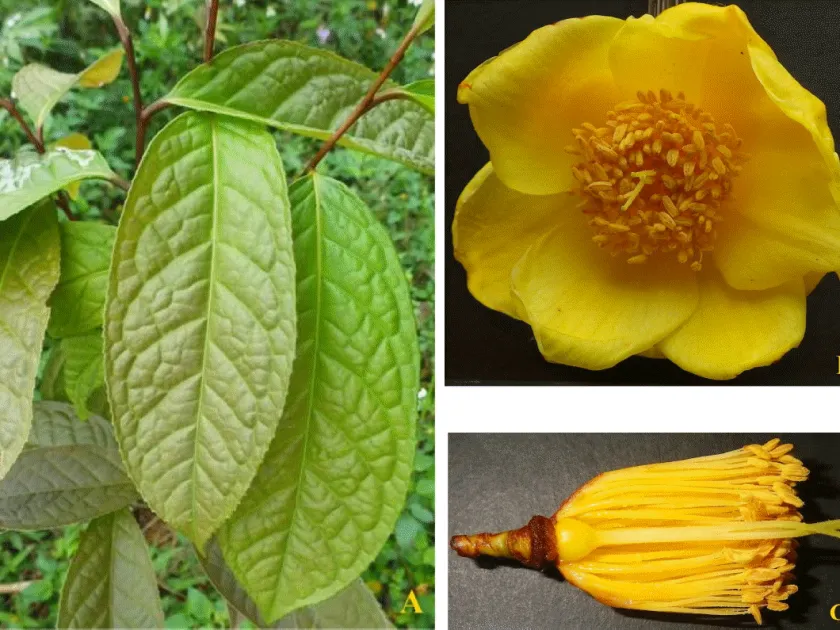
Description
Growing requirements
Camellia tuyenquangensis is a distinct species within the Theaceae family, native to the rugged, forested terrain of the Tuyen Quang province in Vietnam.
This species thrives in high-humidity, subtropical environments, requiring stable conditions that mirror its natural mountain habitat to remain healthy and vibrant.
The optimal growing medium consists of acidic, well-draining soil rich in organic matter, which ensures that moisture is retained without causing root asphyxiation.
Being an understory plant, it prefers filtered light or partial shade, as direct, intense sunlight can lead to leaf scorch and dehydration of the plant’s delicate foliage.
Consistent temperature regulation is vital, as this plant is sensitive to significant thermal fluctuations and requires protection from extreme cold or intense, dry heat.
Yield
Currently, the primary utility of Camellia tuyenquangensis is in ornamental horticulture and botanical conservation, where it is highly valued for its rare status.
The species holds significant potential for breeding programs, offering genetic traits that may enhance the hardiness and floral beauty of cultivated camellia hybrids.
Due to its scarcity, propagation is primarily conducted in controlled nursery environments using specialized cutting techniques to ensure the survival and expansion of the population.
Commercial availability is limited, positioning this camellia as a prized specimen for collectors and specialized plant conservatories focused on exotic rare flora.
Strategic planting and preservation of this species are essential, as its natural habitat remains fragile and under constant pressure from environmental changes and habitat loss.
Main diseases and pests
Pathogenic fungi are a significant threat to Camellia tuyenquangensis, particularly in instances where soil drainage is inadequate or atmospheric humidity becomes excessive.
Common indoor pests, such as aphids, spider mites, and scale insects, often target the plant when it is grown in confined environments with poor airflow, weakening its overall structure.
Environmental stress, such as improper soil pH or nutrient deficiencies, often manifests as chlorosis, significantly reducing the plant's aesthetic appeal and natural vigor.
Invasive pathogens can enter through pruning wounds or damaged foliage, emphasizing the importance of using sterilized equipment when performing any necessary maintenance.
Effective pest management involves integrated practices, including regular inspection, physical removal of pests, and the use of organic horticultural oils when necessary.