
Camellia tsaii
Camellia tsaii Hu
Description
Growing requirements
Camellia tsaii is an evergreen shrub or small tree belonging to the Theaceae family. Native to the mountainous regions of Southern China, Myanmar, and Northern Vietnam, it typically thrives in high-altitude environments ranging from 600 to 2000 meters above sea level.
This species prefers a temperate, humid subtropical climate with consistent moisture levels throughout the year. In agricultural settings, it requires shaded or semi-shaded locations to protect its foliage from intense direct sunlight, which can cause dehydration.
Soil requirements are specific: the plant demands acidic, well-drained, and nutrient-rich substrates. It is essential to maintain a soil pH between 5.0 and 6.5, as the plant is highly sensitive to alkaline conditions that inhibit nutrient uptake.
Agricultural management includes regular irrigation and the application of organic mulch around the base to preserve soil moisture and regulate temperature. Overwatering must be avoided, as the root system is prone to suffocation if soil compaction occurs.
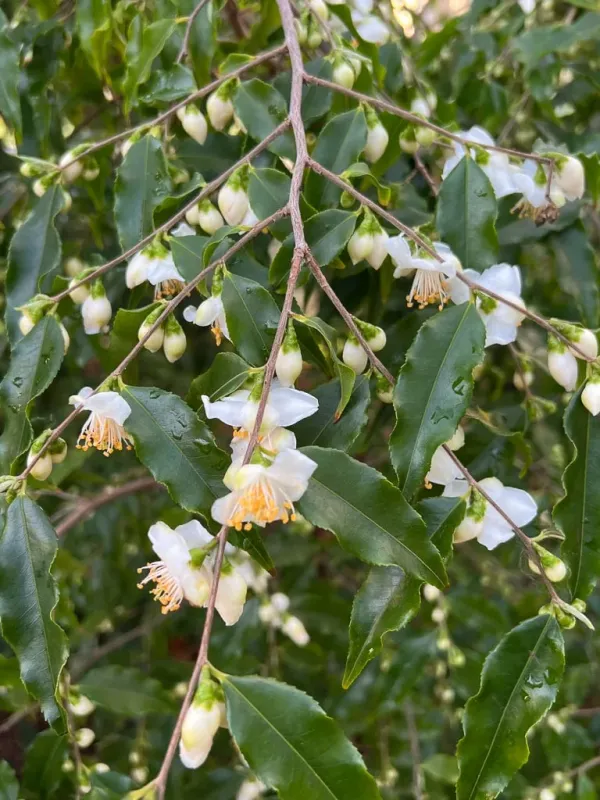
Economically, Camellia tsaii is valued for its ornamental appeal, characterized by small, delicate, and fragrant white flowers. It is also utilized in research and breeding programs aimed at developing disease-resistant varieties of the Camellia genus.
Main diseases and pests
The primary threats to Camellia tsaii are fungal pathogens such as powdery mildew and leaf spot. These diseases typically develop in areas with high humidity and poor ventilation, necessitating regular crown thinning and sanitary pruning.
Pests, particularly scale insects and spider mites, are common nuisances that infest the underside of leaves and young shoots. Integrated pest management, including natural predators and targeted applications, is recommended to mitigate these issues.
Root rot is a significant danger caused by poor drainage and excessive water retention in the substrate. Ensuring that the soil remains aerated is a critical preventative measure for long-term plant health.
Environmental stress, such as extreme temperature fluctuations or intense heat, can weaken the plant's natural defenses, making it more susceptible to secondary infections and infestations.
Adopting a strict monitoring schedule during the growing season allows for early intervention. Using healthy, certified planting material significantly reduces the prevalence of common diseases within the cultivated crop.