
Camellia taliensis x Camellia sinensis hybrid
Camellia taliensis x C. sinensis
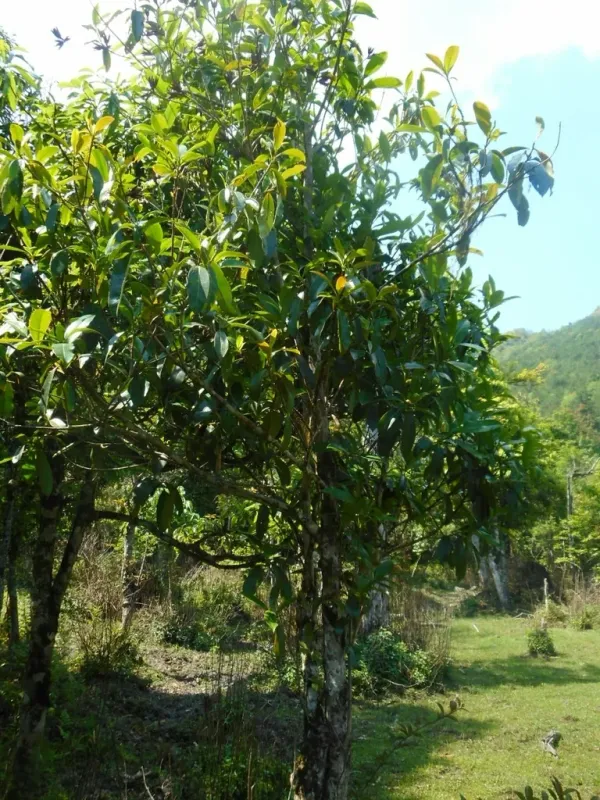
Description
Growing requirements
The hybrid resulting from the cross between Camellia taliensis and Camellia sinensis belongs to the Theaceae family. It is valued for integrating the high-altitude resilience of the former with the commercial quality profiles of the latter.
The plant thrives in humid subtropical environments where temperatures are moderate throughout the year. It requires protection from frost and intense, direct sunlight, preferring the diffused light often found in mountainous cloud forest regions.
Soil conditions are critical for this hybrid; it necessitates acidic substrates with a pH level between 4.5 and 5.5. Proper drainage is essential to prevent root rot, which is common in poorly aerated or waterlogged plantation soils.
Agronomic management focuses on nitrogen-rich fertilization schedules and regular pruning regimes. Pruning is vital not only to manage the height of the tea bushes for easier harvesting but also to stimulate the production of young tender leaves.
Key phytosanitary concerns include fungal diseases like blister blight and various leaf spot pathogens. Integrated pest management (IPM) is recommended to control mites and aphids, which often target the succulent growth of the tea plant.
Harvesting
Harvesting is performed by picking the 'flush', which consists of the terminal bud and the youngest leaves. The timing of the harvest is determined by the required grade of the finished product, requiring specialized labor skills.