
Camellia taliensis
Camellia taliensis (W. W. Sm.) Melch.
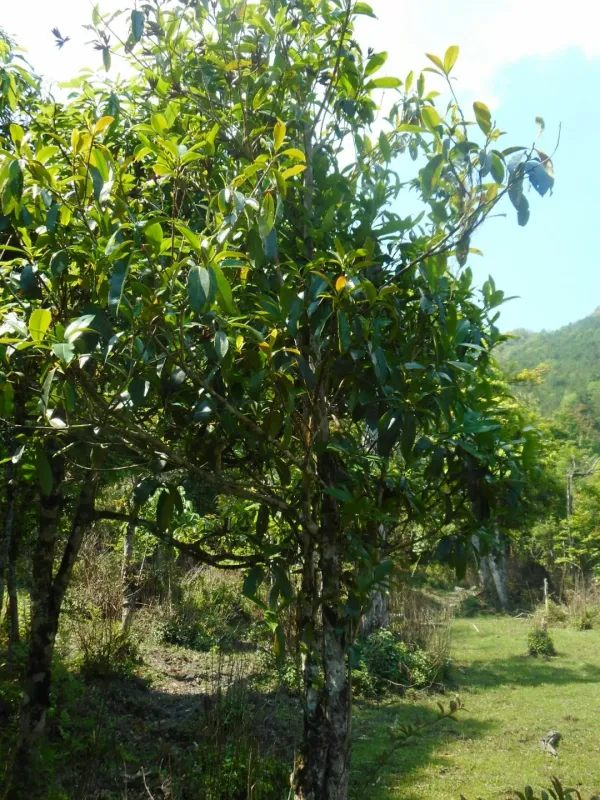
Description
Sowing dates
Camellia taliensis is a perennial evergreen shrub belonging to the Theaceae family, widely recognized for its close genetic relationship to the traditional tea plant (Camellia sinensis). Propagation is typically achieved through seeds, which require specific handling to maintain viability.
When sowing, the seeds are placed in a seedbed with a well-draining, acidic substrate. Optimal temperature and humidity are essential for breaking dormancy and ensuring high germination rates during the early stages of development.
Seedlings should be kept in a controlled nursery environment for several months before being hardened off. This process ensures that the young plants can withstand outdoor conditions after transplanting.
Spacing during planting is a critical agronomic decision. Proper spacing ensures adequate airflow, which prevents the development of fungal diseases and allows for efficient maintenance of the crop.
Success in sowing depends on the quality of the planting material. Selecting seeds from robust, healthy mother plants is a foundational practice for sustainable tea cultivation.
Growing requirements
Camellia taliensis thrives in high-altitude, mountainous regions where humidity is consistently high and the climate is temperate. It naturally occurs in forest understories, suggesting a preference for partial shade.
The ideal soil for this species is deep, permeable, and rich in organic matter with a strongly acidic profile. Poor drainage or waterlogged soils are detrimental to the plant's root health.
Consistent rainfall patterns are required to support the year-round growth cycle of this species. In areas with prolonged dry seasons, supplementary irrigation systems are necessary to prevent plant stress.
The plant demonstrates a moderate tolerance to cooler temperatures but is sensitive to frost, which can severely damage the young shoots and reduce the quality of the potential harvest.
Nutrient management involves applying organic compost to maintain soil acidity and provide essential micro-nutrients, avoiding excessive synthetic fertilizers that may alter the plant's chemical profile.
Harvesting
Harvesting Camellia taliensis focuses on the apical buds and tender leaves of the spring flush. Manual picking is the standard method, ensuring that only the highest quality material is selected.
The timing of the harvest is crucial, as the chemical composition of the leaves changes rapidly during development. Skilled harvesters select leaves based on texture, size, and appearance to maintain grade standards.
Following harvest, leaves must be processed as quickly as possible. Techniques such as withering and pan-firing are used to manage the moisture content and stabilize the leaves for storage or consumption.
The frequency of harvesting is regulated by the plant's growth rate and the need for regeneration. Careful pruning after the harvest season helps maintain the plant's size and productivity for the following year.
Yield estimation is complex for this species, as it depends on local elevation, soil fertility, and the age of the shrubs within the managed plantation system.