
Camellia rosthorniana
Camellia rosthorniana Hand.-Mazz.
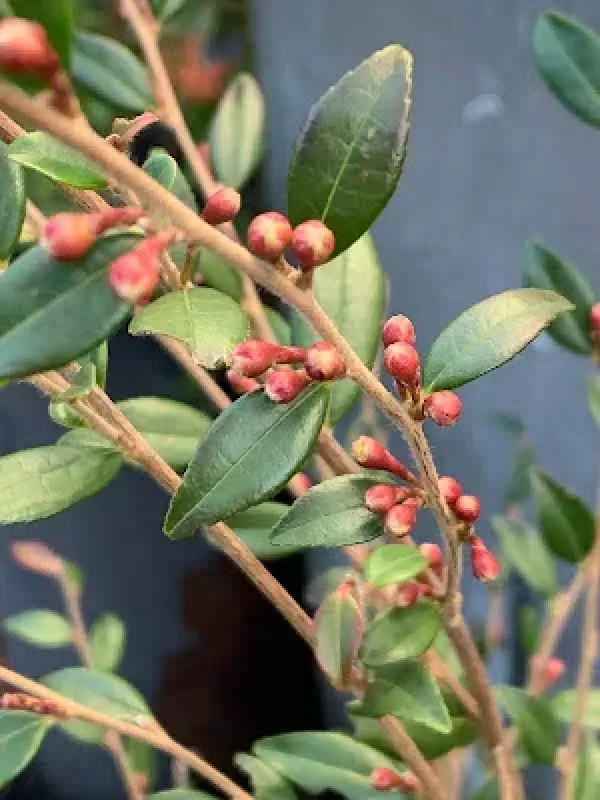
Description
Growing requirements
Camellia rosthorniana is a distinctive evergreen shrub belonging to the Theaceae family. Native to the mountain forests of China, it is prized for its elegant appearance and is botanically classified within the tea-producing family, sharing similar physiological characteristics with other Camellia species.
The plant thrives in acidic, well-draining soils rich in organic matter. Gardeners are advised to incorporate peat moss or pine bark into the planting site to ensure an optimal pH balance, which is essential for nutrient uptake and overall root health.
Regarding climate, this species prefers temperate conditions with high atmospheric humidity. It is best suited for sheltered garden locations in warmer hardiness zones or as a conservatory plant in cooler regions, as it lacks extreme frost tolerance.
Lighting requirements necessitate a partial shade environment. Strong, direct sunlight can be detrimental to the foliage, causing scorch marks and dehydration, whereas dappled light mimics its natural habitat under the forest canopy.
Maintenance involves consistent moisture management. The plant does not tolerate drought, but it is equally sensitive to waterlogging; therefore, the substrate must remain damp but airy to prevent root asphyxiation during the growth season.
Main diseases and pests
Root rot is the most common pathology in Camellia rosthorniana, usually triggered by improper drainage systems and excessive moisture levels in the root zone.
Fungal infections, including leaf spot, may occur if the foliage remains wet for extended periods, necessitating good air circulation and localized treatments with fungicides.
Pest pressure often comes from sap-sucking insects like scale insects and aphids, which attach themselves to stems and undersides of leaves, stunting plant development.
Spider mites are also a typical threat in indoor or greenhouse settings where the humidity level drops significantly, requiring regular misting or treatment.
Effective pest management relies on early detection and maintaining plant vigor through correct fertilization, as healthy specimens are significantly more resistant to environmental stressors.