
Camellia pleurocarpa
Camellia pleurocarpa (Gagnep.) Sealy
Description
Growing requirements
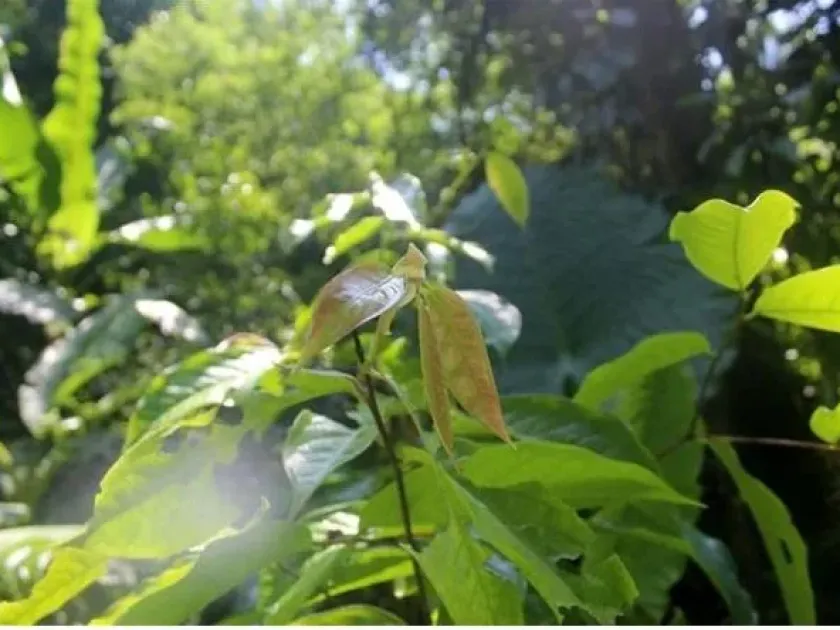
Camellia pleurocarpa is a notable member of the Theaceae family, indigenous to the mountainous forest ecosystems of Southeast Asia. This evergreen shrub is distinguished by its specific botanical architecture and is highly valued in botanical collections for its unique characteristics.
The cultivation of this species requires a specific ecological niche, characterized by stable high humidity and mild temperatures. Greenhouse cultivation usually mimics this environment, maintaining temperature ranges between 18 and 25 degrees Celsius, while avoiding direct, intense sun exposure.
Soil requirements are strict, demanding a well-drained, acidic substrate with a pH between 5.0 and 6.0. Soils with high mineral or calcium content lead to chlorosis and stunted growth, making specialized peat-based mixes the standard for professional horticulture.
Water management is the pillar of its agrotechnology. The plant requires consistent moisture but is highly susceptible to root decay if the root zone becomes waterlogged. A professional drainage layer is mandatory to ensure root health.
Fertilization regimes should be adjusted to the growth cycle, utilizing acidic-tolerant fertilizers. Application typically occurs during the vegetative phase from spring through early summer, ensuring that the soil chemistry remains stable for optimal nutrient absorption.
Main diseases and pests
Like many species in the genus Camellia, C. pleurocarpa is prone to common pests including aphids, scale insects, and spider mites. These pests thrive in environments with low air circulation and inconsistent humidity, requiring proactive monitoring and integrated pest management strategies.
Fungal pathogens represent the most significant threat to the crop's long-term health. Root rot and leaf spot diseases are frequently caused by poor soil drainage and high humidity combined with stagnant air, necessitating regular fungicidal applications.
Prevention involves maintaining rigorous hygiene standards within the growing area, including the sterilization of tools and the removal of fallen leaves. Effective ventilation systems are crucial to reduce the incidence of airborne fungal spores.
Insects like mealybugs can cause significant damage to young shoots and leaves. The use of systemic insecticides is often necessary for control, although manual cleaning and botanical oils are preferred for early-stage infestations.
- Regular inspection for mite infestations.
- Maintaining proper spacing to ensure airflow.
- Monitoring soil pH levels quarterly.
- Sanitary pruning of dead or diseased biomass.